Life
- Earth
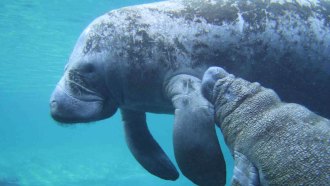
A ‘ghost’ gene leaves sea mammals vulnerable to some toxic chemicals
Manatees, dolphins and other warm-blooded marine animals can't break down some common pesticides. The newfound reason: Long ago, their genes lost the ability to do so.
- Brain
Body heat due to exercise may reduce hunger
Why aren’t animals hungry after a workout? Brain cells that control appetite may sense the exercise heat — and keep you out of the kitchen, a new study finds.
- Animals
What ‘The Meg’ doesn’t quite get right about megalodon sharks
A paleobiologist helps separate shark fact from fiction in the new Jason Statham film The Meg.
- Brain
Soccer headers may hurt women’s brains more than men’s
Women sustain more brain damage from heading soccer balls than men, a new imaging study indicates.
- Animals
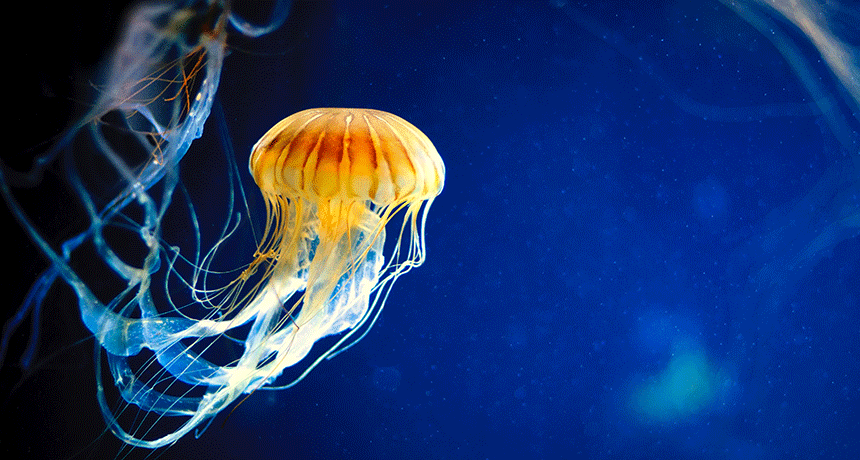
Scientists Say: Nematocyst
Nematocysts are special cells in some ocean critters, such as jellyfish, sea anenomes and corals. They have a barb coated in venom that shoots out at their prey.
- Animals
Koala genes could help scientists save these furry animals
Scientists have examined the clues within koalas’ genetic instruction book. They are learning more about how to save these cuddly creatures.
- Animals
There’s more than one way to build a giant dinosaur
Some early long-necked dinosaurs may have built big bodies from a different blueprint than their later giant relatives.
- Brain
Taste good? Senses inform the brain — but don’t tell everyone the same thing
Whether something tastes appetizing depends on what a host of different sensory nerves collectively tell the brain. Warning: Sometimes they aren’t dependable — or even truthful.
- Health & Medicine
Explainer: Taste and flavor are not the same
What’s behind a food’s flavor? More than what we taste, it turns out.
- Life
Bird poop helps keep coral reefs healthy, but rats are interfering
Eradicating invasive rats from islands may help boost numbers of seabirds. The birds’ droppings provide nutrients to nearby coral reefs.
- Microbes
Finding living Martians just got a bit more believable
What might a real Martian look like? Scientists have a better idea after identifying a buried liquid lake on the Red Planet.
- Animals
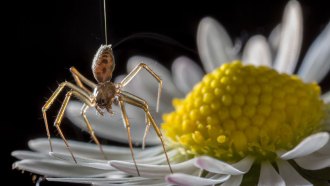
Electric currents in the air may cue ‘ballooning’ spiders on when to take off
Some spider species float on the breeze using a parachute of silk. A new study suggests electrical charges in the air help spiders time these flights.