Life
- Health & Medicine
Bad food? New sensors will show with a glow
Sensors that glow around dangerous germs could be built into packaging to warn people of tainted foods.
- Animals
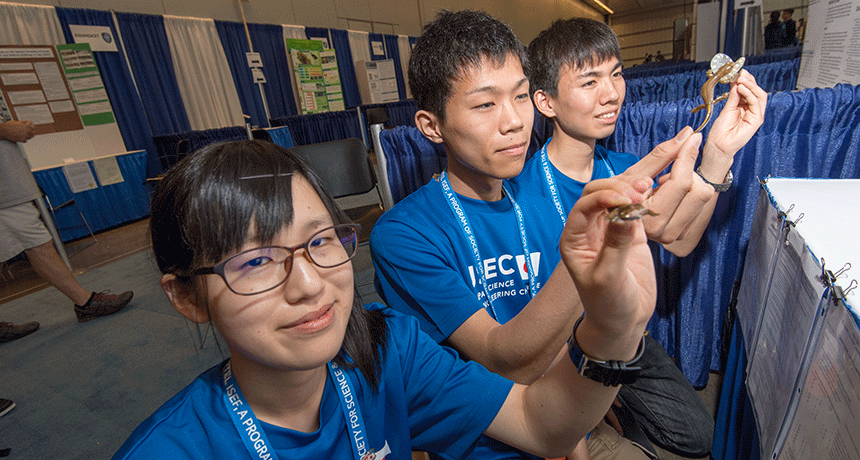
Hunting hidden salamanders with eDNA
The Japanese clouded salamander is an elusive beast. To find a new population, three teens turned to high-tech methods.
- Animals
‘Boot camp’ teaches rare animals how to go wild
Animals raised in captivity cannot safely re-enter the wilds without first understanding how to find food and avoid becoming a predator’s lunch. Scientists are helping some species learn this.
- Ecosystems
Small swimmers may play huge role in churning the seas
Hoards of migrating shrimp and krill can cause large-scale water movements in the ocean, a new study suggests.
- Health & Medicine
Scientists discover how norovirus hijacks the gut
Noroviruses make people vomit, but scientists didn’t actually know why. It now turns out that those viruses cause their misery by attacking special “tuft” cells in the gut.
- Genetics
Your DNA is an open book — but can’t yet be fully read
There are many companies that offer to read your DNA. But be prepared: They cannot yet fulfill all those promises you read in their ads.
- Animals
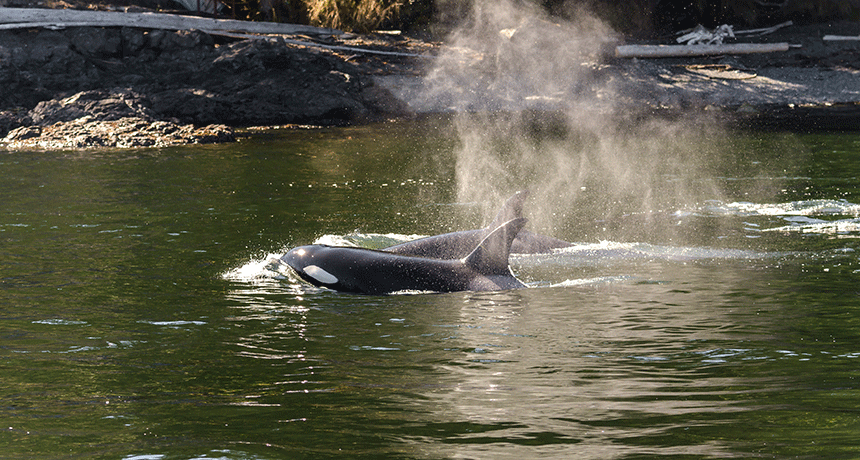
Orca snot leads to a whale of a science-fair project
DNA found in the mucus of orcas suggests that even though the traits of family pods may differ, these marine mammals all appear to belong to a single species.
- Animals
Chemicals from the world’s longest animal can kill cockroaches
The stuff in this sea worm’s slime can kill off green crabs, too.
- Animals
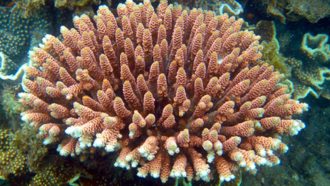
Ocean heat waves are on the rise — and killing coral
Ocean heat waves are becoming hotter and more frequent. And one can be blamed for the 2016 coral deaths on the Great Barrier Reef.
- Health & Medicine
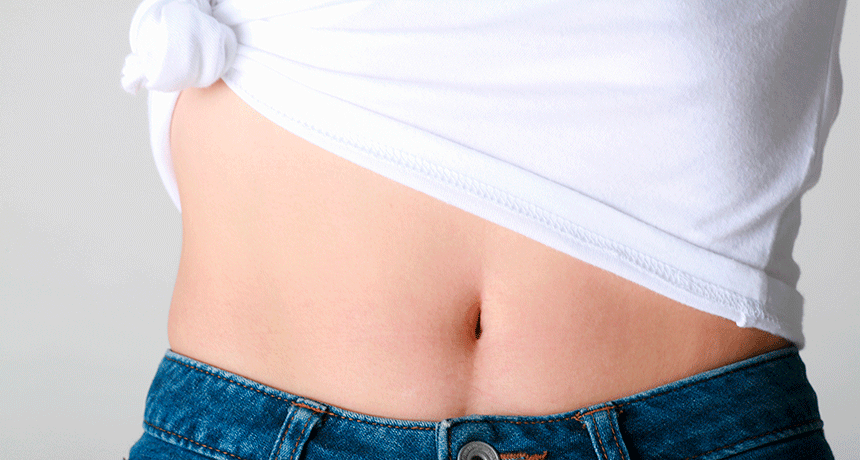
Which bacteria hang out in belly buttons? Here’s a who’s who
Bacteria are everywhere — even in our belly buttons. One teen at Intel ISEF decided to find out what types people were harboring in their navels.
- Animals
In a colony, king penguins act like a liquid
Is this a living liquid? King penguins move around within their colonies, clearing out some space, and then refilling it. That behavior resembles a liquid, scientists conclude.
- Life
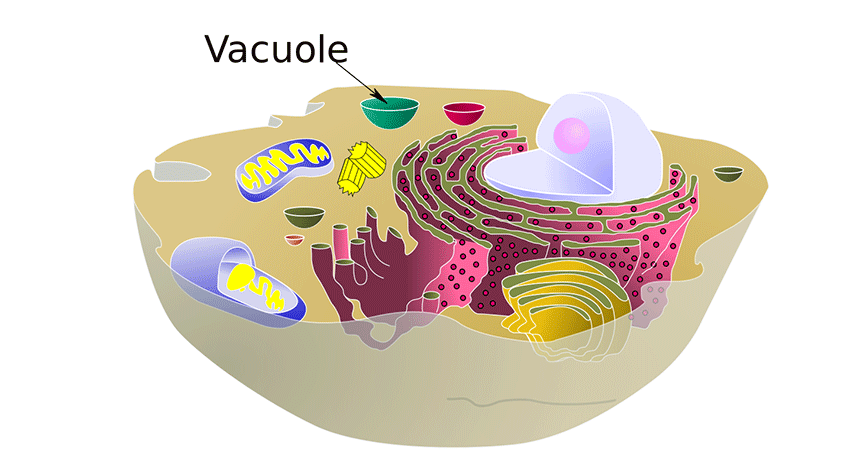
Scientists Say: Vacuole
Cells can’t always get rid of trash or digest food immediately. This week’s word describes where they store their stuff.