Life
- Health & Medicine
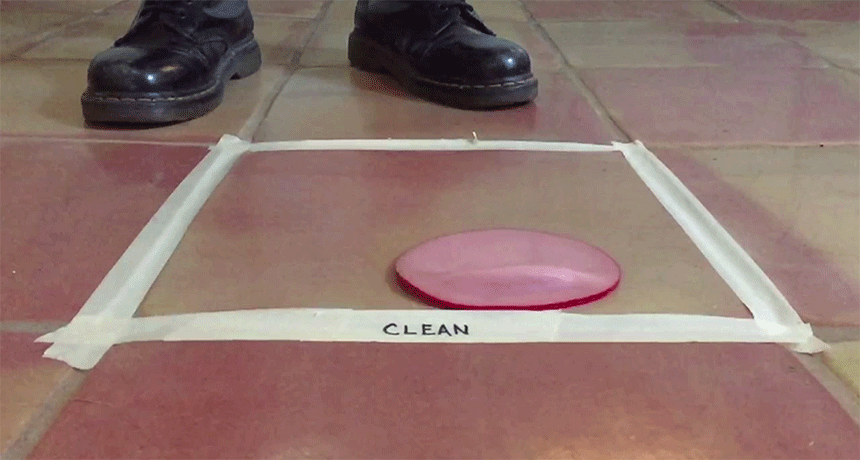
The five-second rule: Myth busted?
We’ve done an experiment to test the five-second rule. Now it’s time to analyze the data. Be forewarned: They’re not appetizing.
- Health & Medicine
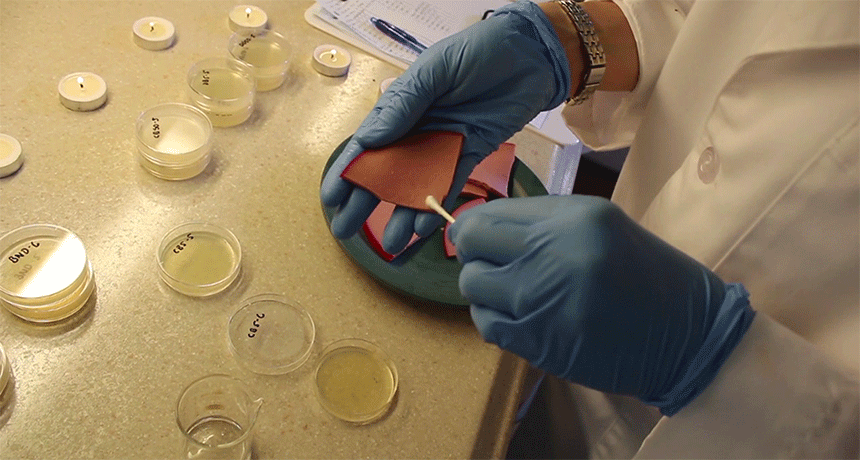
The five-second rule: Microbes can’t count
A good scientific study compares results to what other scientists have done. These scientists have all debunked the five-second rule.
- Animals
Poop-eating gulls can be pain in the butt for seal pups
The birds can harm baby fur seals as they try to dine on fresh parasites in the pups’ feces.
- Brain
Brains may need flexible networks to learn well
New data suggest that brain cells may learn best when they are able to easily make and break off communications with neighbors — or distant brain regions.
- Animals
Three simple rules guide fire ants in building towers
Fire ants build towers of ants to protect themselves during a flood. New research reveals the simple rules that guide how they do this, no foreman needed.
- Chemistry
Scientists Say: Capsaicin
This chemical is produced by pepper plants and gives them their hot flavor.
- Animals
As trees come down, some hidden homes are disappearing
Animals such as frogs, toucans and possums live in tree hollows. But as people have cut down trees, a wildlife housing shortage has developed in some places.
- Animals
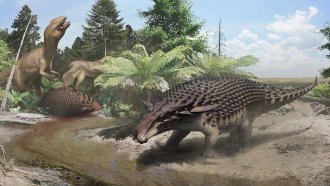
Camo might have helped this armored dinosaur avoid becoming lunch
An armored dinosaur the size of a Japanese sedan also wore camouflage, a new analysis of its skin suggests.
- Genetics
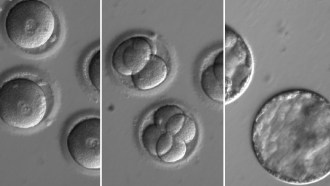
Molecular scissors fix disease-causing flaw in human embryos
Researchers moved closer to being able to fix gene-edited embryos in people. They removed a flawed gene that causes heart failure
- Climate
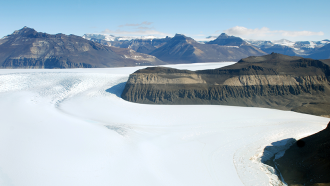
Under Antarctic ice, microbes gobble up greenhouse gas
In a lake far beneath the Antarctic ice sheet, scientists have found bacteria that eat methane, a powerful greenhouse gas.
- Animals
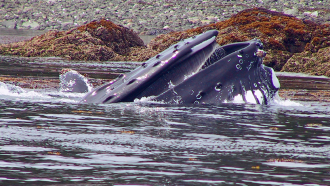
Whales feast when hatcheries release salmon
Humpback whales are visiting sites where hatcheries release juvenile salmon in Alaska. It’s a dining bonanza for the huge whales.
- Fossils
T. rex may not have been able to run — but it was still pretty fast
T. rex was fearsome, but its leg bones may not have been strong enough to stand the stresses of running.