Life
- Animals
Whale pee is an ocean bounty
Some migrating cetaceans move thousands of miles to their breeding grounds, where whale urine fertilizes ocean waters with valuable nutrients.
- Microbes
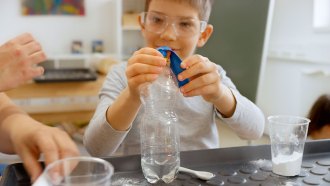
Experiment: Yeasty beasties
It’s hard to believe a packet of dry yeast is full of living things. But feed the yeast the right things, and presto! You’ve got bubbly, oozing mess of life.
- Plants
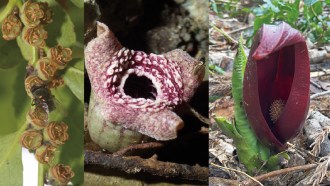
A genetic trick leaves these stinky plants reeking of rotting flesh
This DNA tweak in plants harnesses the same molecule behind our bad breath and transforms it into something worse: the stink of rotting flesh or dung.
- Animals
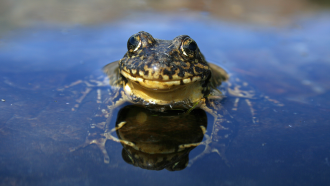
Analyze This: Moving frogs to new places helped an endangered species spread
Frogs resistant to a deadly fungus jump-started populations in these new areas.
- Brain
Mice show us why food poisoning is so hard to forget
Working with mice, scientists have mapped a brain pathway that links an unfamiliar flavor with later food poisoning symptoms.
- Animals
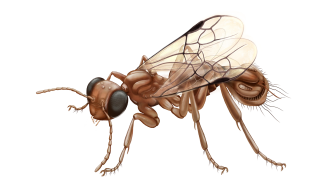
The rear end of this ancient wasp was built like a Venus flytrap
The newfound wasp species — from 99 million years ago — likely laid eggs on the small creatures that would have been caught in this trap.
- Ecosystems
Scientists Say: Ecosystem
The interplay between living things and the physical environment gives rise to Earth’s thriving, life-sustaining ecosystems.
- Environment
Study uncovers secrets in water’s underground treks
Water's subterranean travels can be long, slow — and carry pollutants far from where they first got drawn into the Earth.
- Genetics
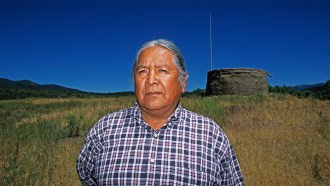
DNA confirmed a Pueblo tribe’s ties to Chaco Canyon
DNA supports Picuris Pueblo stories of their ancestry going back more than 1,000 years — to the famous Chaco Canyon site.
- Animals
Captive-breeding axolotls may help avoid their extinction
The axolotl program's success shows promise in helping protect this highly popular amphibian — currently found in only one lake — from dying out in the wild.
- Animals
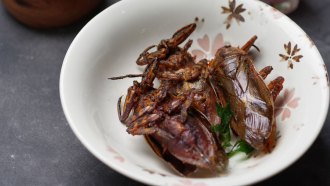
Teens work to keep giant water bugs on the menu
Many culinary cultures around the world prize these nutritious and flavorful insects. New approaches may help giant water bug farming efforts.
- Tech
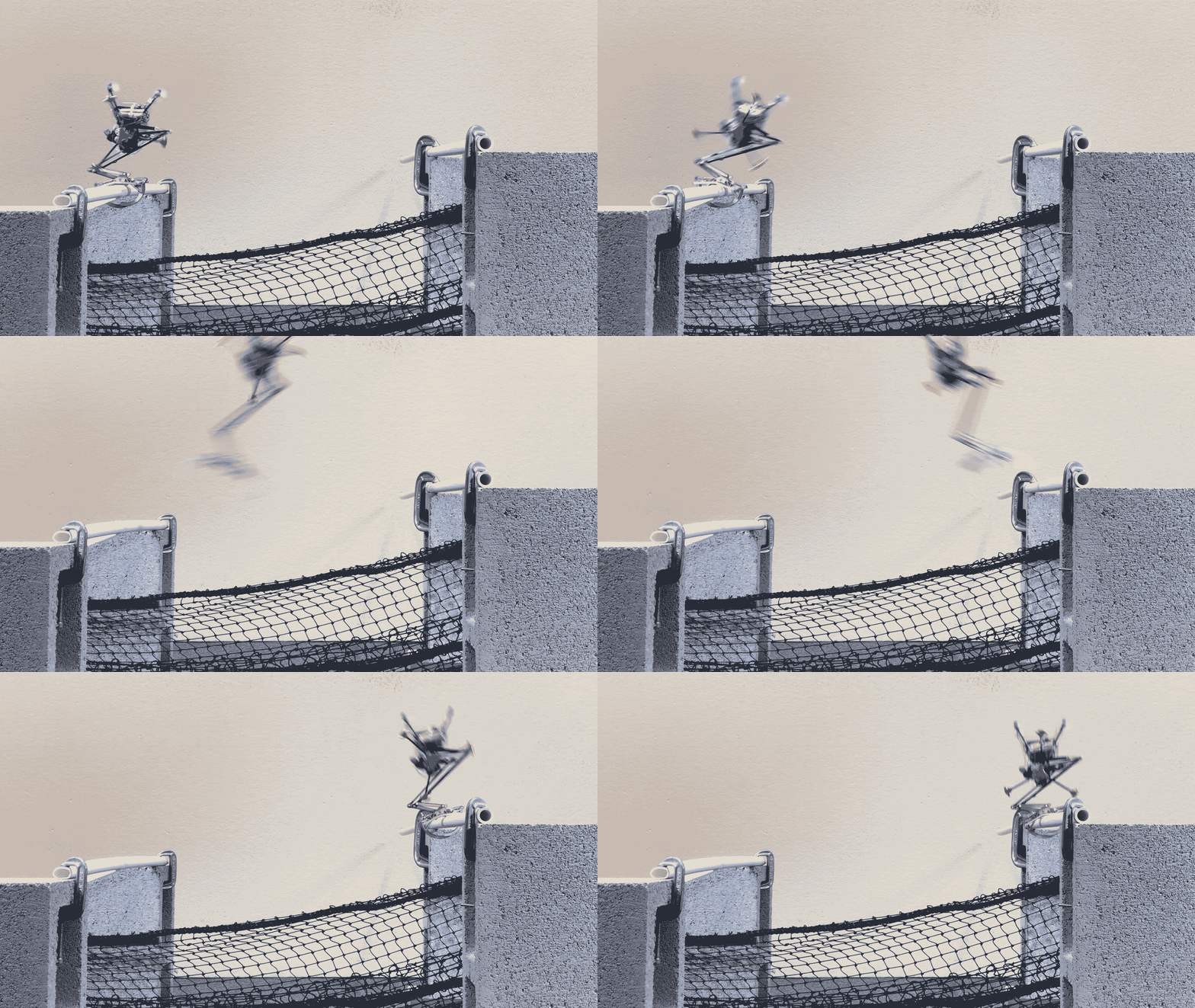
This squirrel-like robot has some serious hops
Salto the jumping robot has a claw-like gripper. Like a squirrel, it can adjust its movement to help it stay balanced to stick a landing on "branches."