Life
- Agriculture
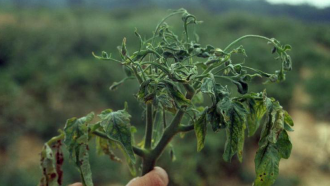
Sneaky! Virus sickens plants, but helps them multiply
The cucumber mosaic virus helps tomato plants lure pollinators. When the plants multiply, the virus now gets new hosts.
- Health & Medicine
U.S. to outlaw antibacterial soaps
Soaps with germ-killing compounds promise cleaner hands. But manufacturers couldn’t show they offer any safety advantage. Now the U.S. government is banning them.
- Brain
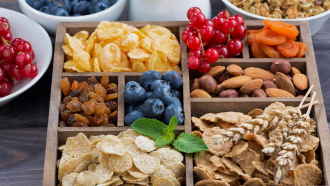
This supplement makes calorie-rich foods less tempting
A supplement that contains the fatty acid propionate causes the brain to rate high-calorie foods less appealing.
- Ecosystems
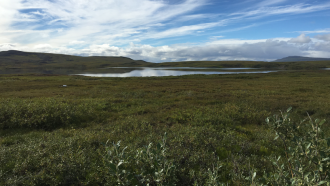
Scientists Say: Tundra
A tundra is an ecosystem found in Earth’s far north. It has a layer of soil deep underground that remains frozen — sometimes for thousands of years. But the top layer thaws in the summer, allowing plants to grow.
- Genetics
Young sunflowers keep time
The plants don’t just use light to follow the sun. An internal clock helps their stems bend as the sun moves across the sky.
- Animals
Cool Jobs: Linking animal health to human health
Scientists who watch out for diseases in wild animals also can play a role in keeping people from getting sick.
- Genetics
Explainer: What is epigenetics?
Epigenetics is the study of molecular “switches” that turn genes on and off. Tweak those switches and there could be big health consequences.
- Brain
Our eyes can see single specks of light
The human eye can detect a single photon. This discovery answers questions about how sensitive our eyes are. It hints at the possibility of using our eyes to study issues of quantum-scale physics.
- Animals
Beetles offer people lessons in moisture control
Taking tricks from a beetle, researchers are designing surfaces that collect water from the air or resist frost buildup.
- Ecosystems
Algae embedded in sea ice drive the Arctic food web
Scientists traced where zooplankton in the Arctic get their energy from. Many open ocean species rely on algae found in sea ice, which is disappearing.
- Microbes
Staph infections? The nose knows how to fight them
Bacteria living in some people’s noses make a compound that could help fight a nasty type of infection that laughs at other antibiotics.
- Ecosystems
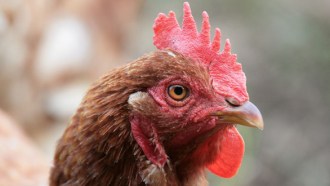
Will chicken cologne guard you from malaria?
Mosquitoes that carry malaria are repelled by the smell of chickens. In malaria country, that could make these birds a human’s best friend.