Life
- Genetics
Scientists Say: eDNA
Animals may escape traps or nets, but they often leave DNA behind in their environment, giving scientists important clues.
- Brain
What makes a pretty face?
Beautiful faces are symmetrical and average. Do we prefer them because this makes them easier for our brains to process?
- Health & Medicine
Implant traps cancer cells on the move
A device implanted under the skin extended the life of mice with breast cancer. It trapped injected cancer cells before they created tumors in organs throughout the body.
- Animals
These young inventors had to make like a crab
This year’s top challenge for Broadcom MASTERS finalists was to design and build a robotic arm based on a crab’s arm and claw.
- Animals
Speckled dino spurs debate about ancient animals’ colors
Structures found in fossil dinosaur skin may give clues to the creatures’ colors and how they lived. But not all scientists agree on how to interpret what they see.
- Health & Medicine
Could toothpaste give heart disease the brush-off?
Brushing with a toothpaste that dyes plaque green encourages people to remove more of it. This also lowered inflammation, which may cut someone’s risk of heart disease.
- Animals
Dino brain found ‘pickled’ in boggy swamp
Scientists claim to have identified the first fossil brain tissue from a dinosaur.
- Brain
Lying sets up a liar’s brain to lie more
As people lie more, activity in one brain region falls, a new study finds. It’s an area associated with emotion.
- Brain
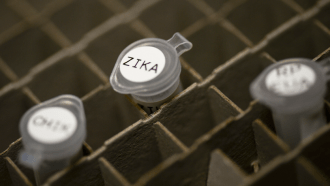
Zika birth defects: Concerns spread from head to toe
Zika infections may trigger problems well beyond babies born with small heads and brains. Scientists have begun linking a range of head-to-toe health ails to the virus.
- Animals
Our shocking eel story wins international prize
Roberta Kwok’s story on the shocking (and surprising) behaviors of electric eels was honored with a win for outstanding science writing.
- Genetics
New date for U.S. arrival of the AIDS virus
A new study shows that HIV started circulating at least a decade earlier than previously realized.
- Health & Medicine
Vaping may put your smile at risk
As e-cigarette use among teens rises, scientists find that vaping may cause cellular damage to the mouth, gums and teeth. Even the cells’ DNA was affected.