Life
- Brain
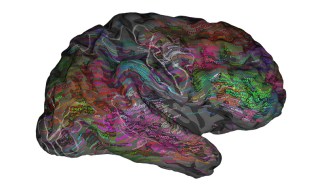
Mapping word meanings in the brain
A detailed new map shows that people comprehend words by using regions across the brain, not just in one dedicated language center.
- Animals
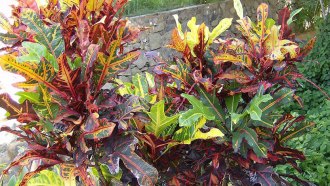
Common plant could help fight Zika virus
A teen discovered that extracts from leaves of the San Francisco plant (Codiaeum variegatum) kill larvae of the mosquito that helps spread the Zika and dengue fever viruses.
- Earth
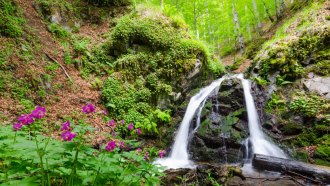
How ancient African fish feed today’s Amazon
Many of the world’s lushest tropical forests would starve if winds didn’t bring them nutrient-rich dust from across an ocean.
- Animals
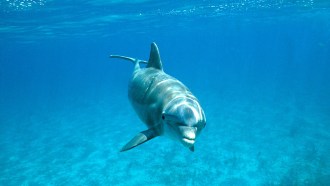
Snot may be key to dolphins’ tracking of prey
Dolphins produce clicking noises that bounce off of prey, like sonar, showing where they are. Mucus in the animals’ nasal passages may make that ‘sonar’ work.
- Animals
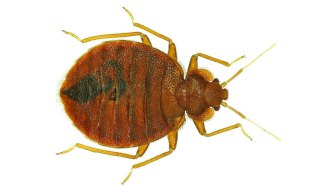
Bed bugs have favorite colors
Bed bugs change their color preferences as they get older. Adults like red and black, which may help the dark bugs avoid predators.
- Brain
Small region of brain recognizes facial expressions
Scientists identify the brain region responsible for recognizing facial expressions in others. It helps us know whether others are happy or sad.
- Animals
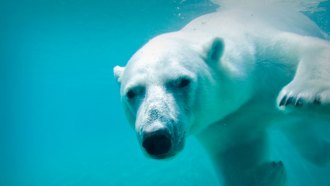
Polar bears swim for days as sea ice retreats
Melting sea ice is forcing polar bears to swim long distances — up to nine days in one case. Such long treks may be more than the bears can handle.
- Animals
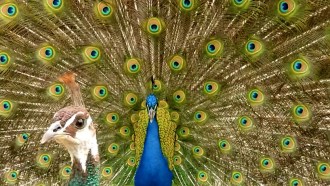
Male peacocks twerk it to bring in the hens
Scientists recorded peacocks with high-speed video cameras to learn the basic mechanics behind the shows they put on for peahens.
- Earth
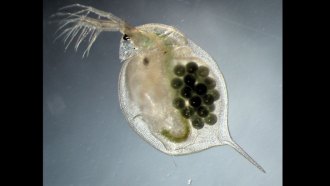
Common water pollutants hurt freshwater organisms
The germ killers we use and the drugs we take don’t just disappear. They can end up in the environment. There they can harm aquatic organisms, three teens showed.
- Animals
Snakes go dark to soak in the sun
Snakes are paler in the South and darker in the North. The darker species absorb heat more quickly, a teen showed.
- Animals
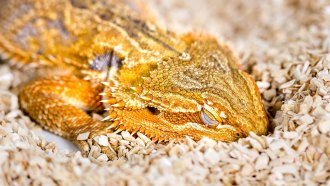
Dragons sleep like mammals and birds
Lizards seem to alternate between two sleep states, just as mammals and birds do. This finding could change our understanding of how sleep evolved.
- Animals
Scientists Say: Copepod
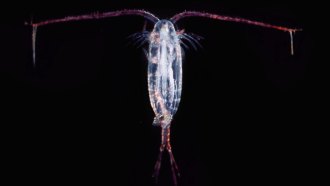
Copepods are tiny crustaceans. They eat phytoplankton and float in the water column, although some live in freshwater and on the sea floor.