Life
- Brain
A ‘cocktail’ in the brain can trigger sleep
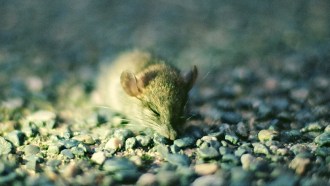
A new study finds that a ‘cocktail’ of chemicals in the brain can directly cause mice to fall asleep or waken.
- Brain
Eyes offer new window into Alzheimer’s disease
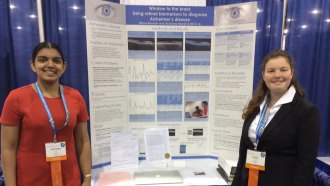
The eye’s retina is distinctly different in people with Alzheimer’s disease compared to those with no signs of the malady, two teens now report finding. It could lead to earlier diagnosis of the brain disease.
- Brain
Left brain stands guard during sleepovers
Part of the left half of the brain remains on alert while the rest of the brain and body snooze.
- Animals
What medicine can learn from squid teeth
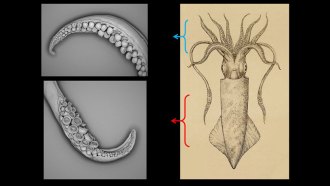
Scientists have identified what makes a squid's sucker teeth so strong. The findings may one day prove useful in medicine.
- Life
Scientists Say: Strain
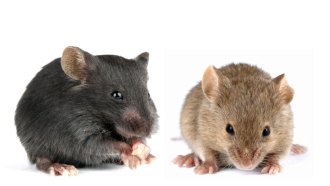
These are organisms that belong to the same species, but have definable differences.
- Animals
Insects can patch their broken ‘bones’
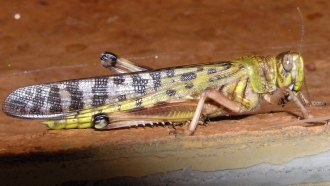
When insects suffer wounds, they can mend their ‘skeleton’ with a patch on the inside. This makes the leg strong again, new data show.
- Fossils
Baby titanosaur was a mini version of its parents
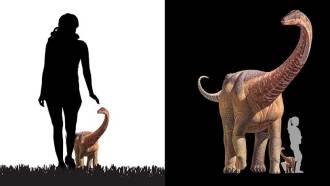
Fossils show that baby titanosaurs looked like mom and dad. They may have been active and independent from a young age.
- Health & Medicine
The cool science of hot peppers
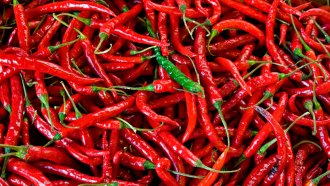
Why are chili peppers spicy? Why does anyone crave food that burns? Uncovering this fiery veggie’s secrets could help fight pain and obesity.
- Brain
Headed to a concert this summer? Pack earplugs
Wearing earplugs at concerts and other loud events may prevent hearing loss and permanent ear damage, a new study suggests.
- Brain
Explainer: When loud becomes dangerous
Many people don’t realize that sounds — even those of the music they love — can prove harmful when they get too loud.
- Life
Scientists Say: Vector
Vectors are used to transfer things. Sometimes the transferred item is a disease, but scientists can also use vectors to insert helpful genes.
- Animals
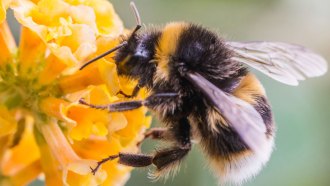
Pollen can become bee ‘junk food’ as CO2 rises
Increasing levels of the greenhouse gas are changing diminishing the food value of pollen, bees’ only source of protein.