Life
- Brain
Parents’ math anxiety can ‘infect’ kids
A study of first- and second- graders found that kids whose parents fear math learn less math at school ¬— but only when parents help with homework.
- Animals
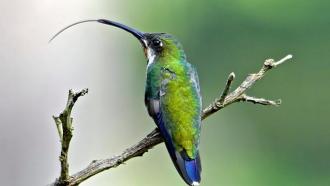
Hummingbird tongues may be tiny pumps
Scientists had thought that hummingbird tongues work through capillary action. A new study, though, concludes they work like little pumps.
- Agriculture
‘Wildlife-free’ farms don’t make salads safer
Scientists find that removing wildlife from farms did not make raw vegetables safer to eat.
- Agriculture
Made in the shade
Agroforestry combines woody plants and agriculture. Growing trees alongside crops and livestock benefits wildlife, environment, climate — and farmers.
- Brain
Childhood stress can leave changes in the adult brain
A new study finds that young men who had experienced lots of stress early in life carried a lasting legacy — changes in the size and shape of their brains.
- Animals
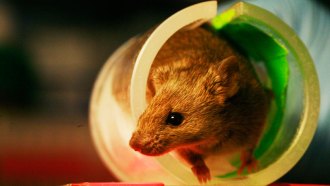
Some pollutants made mice less friendly
Hormone-interfering chemicals make mice less social and may also alter their weight, a study finds. That affected the animals’ confidence — and behavior.
- Animals
Chikungunya wings its way north — on mosquitoes
A mosquito-borne virus once found only in the tropics has adapted to survive in mosquitoes in cooler places, such as Europe and North America.
- Animals
Boa constrictors stop their victims’ hearts
It’s a myth that boa constrictors kill by suffocation. A new study shows the snakes actually squeeze off blood flow, stopping the hearts of their prey.
- Agriculture
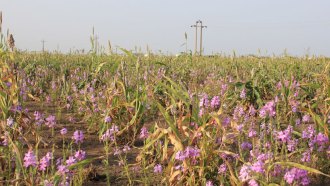
Plant ‘vampires’ lay in wait
A new study shows how some parasitic plants evolved the ability to sense a potential host — and then send out root-like structures to feed on them.
- Genetics
DNA: Our ancient ancestors had lots more
Ancestral humans and their extinct relatives had much more DNA than do people today, a new study finds. It mapped genetic differences over time among 125 different human groups.
- Animals
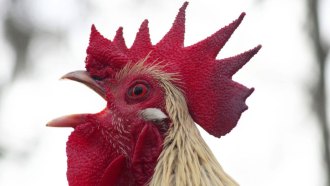
Top rooster announces the dawn
Roosters know their places in the chicken world. Lower-ranking birds defer to the guy at the top of the pecking order. And they show it by holding their crows until after he greets the new day.
- Brain
Explainer: The nico-teen brain
Both e-cigarettes and tobacco products can release large amounts of nicotine during use. Nicotine is the chemical that makes tobacco addictive — and the teen brain is especially vulnerable to it.