Life
- Animals
Scientists feed bed bugs (on purpose)
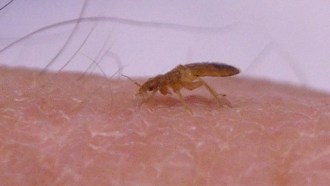
To study bed bugs in the lab, scientists had to first learn how to keep the blood-thirsty critters well fed. And that proved easier said than done.
- Animals
Explainer: Eek — what if you get bed bugs?
A bed bug infestation requires attention. Some treatments you can undertake yourself, but many are best left to professionals.
- Animals
4 reasons not to ignore signs of bed bugs
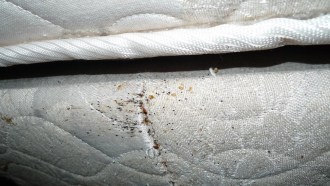
Here are important reasons not to ignore signs of bed bugs. Above all, an infestation carries real risks to your health and wellbeing.
- Brain
Hands-free but still distracted
When people aren’t distracted, they can see a traffic light change very quickly. But a teen scientist now shows that texting — even with a hands-free device — gets dangerously slow.
- Animals
What’s the buzz? A new mosquito lure
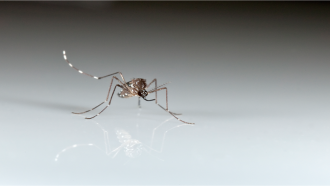
Broadcasting a fake buzz can lure male Aedes aegypti mosquitoes away from females. That could reduce populations of these annoying — and disease-causing — insects, reports a teen at the 2015 Intel ISEF competition.
- Brain
Back off, bullies!
Mental health is another reason to stop bullies. Victims of bullying are more likely to develop anxiety problems than are victims of abuse or neglect, a new study finds.
- Health & Medicine
Do mosquitoes love you? Blame your parents
By studying twins, scientists found that how attractive we are to mosquitoes depends partly on our genes. That could lead to better bug repellents.
- Brain
Trip to Mars could damage astronauts’ brains
Experiments in mice suggest the high-energy particles that would zap astronauts on a mission to Mars could leave the explorers with brain damage.
- Animals
What’s for dinner? Mom.
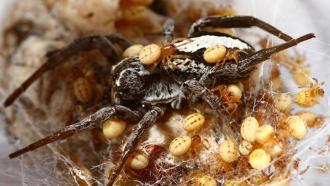
Female spiders of one species make the ultimate sacrifice when raising their young: The mothers feed themselves to their children.
- Fossils
Ritual cannibalism occurred in Stone Age England
Stone Age human bones from a cave in England show signs of cannibalism. The people had been eaten during burial rituals nearly 15,000 years ago, experts say.
- Brain
Twisters: Can warning people too early backfire?
If people think they have enough time to flee a tornado, they may try to drive away, information shows. This could leave them stuck in traffic — with no protection — when the storm does show up.
- Fossils
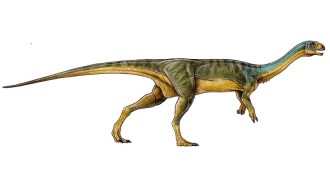
‘Frankenstein’ dino showed a mashup of traits
New species unearthed in Chile is “an anatomical Frankenstein,” declares one of its discoverers.