Life
- Animals
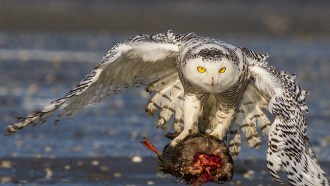
Scientists Say: Irruption
Sometimes populations of animals can suddenly increase. The word for that is irruption.
- Animals
Why you’ll never see a dirty gecko
By knowing how a gecko’s skin works, could self-cleaning, water-repelling, antibacterial clothes be far behind?
- Chemistry
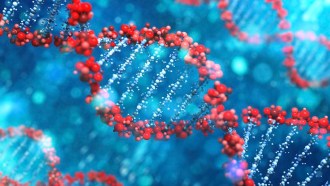
Silencing genes — to understand them
Hijacking a cell process called RNA interference can let scientists turn off a selected gene. Its silencing can point to what genes do when they’re on — and may lead to new treatments for disease.
- Microbes
Life’s ultra-slow lane is deep beneath the sea
Biologists had suspected the deep seafloor would be little more than barren sediment. But they found a surprising amount of oxygen — and life.
- Animals
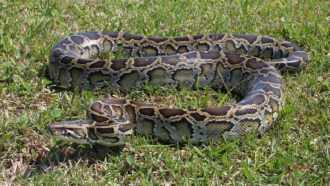
News Brief: Rabbit-hunting pythons are altering Everglades
Rabbits may breed rapidly, but not fast enough to compensate for the huge summer appetites of huge pythons roaming Florida’s Everglades.
- Health & Medicine
Stress for success
Stress and anxiety can lead to serious mental and behavioral problems. Identifying stressors can help people cope with anxiety. Even better, viewing stress as a strength can tone down anxious feelings and boost productivity.
- Animals
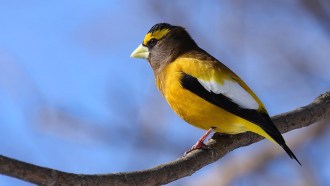
Finding out why birds are out of range
Sometimes people see large numbers of birds outside of their normal range. A student examined how to predict these excursions.
- Health & Medicine
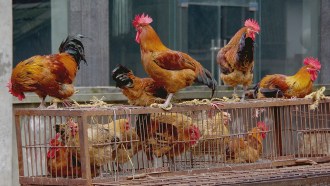
Chickens spread latest deadly bird flu
A new bird flu virus threatens to spread outside of China. Experts traced the germ to markets where live chickens are sold.
- Brain
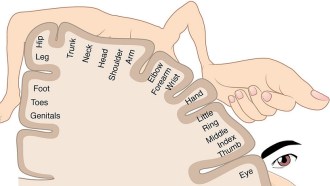
Scientists Say: Cortical homunculus
If you draw a representation of your body as seen by your brain, it’s called a homunculus. On it, parts sensitive to touch or used for fine movement are large, while others are small.
- Animals
The social lives of whales
New tools are giving scientists an unprecedented glimpse into the behaviors of whales and dolphins. And these new data are upending long-held assumptions.
- Animals
Where an ant goes when it’s gotta go
The black garden ant has been spotted defecating inside its own nest. Scientists now characterize these spots as ant toilets.
- Animals
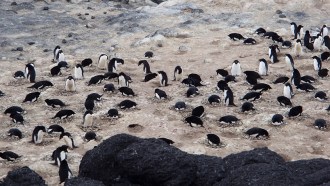
Penguins? How tasteless
Penguins may look all dressed up in tuxedo-wear, but their taste buds are the bare minimum. This means that the birds will never sense more than a hint of their meals’ true flavors.