Life
- Health & Medicine
Cold noses nurture colds
The common cold infects the nose. Scientists long have known the virus grows better there, but not why. Now, a study finds the body’s defenses simply don’t work as well under the nose’s slightly cooler temperatures.
- Computing
Virtual wounds: Computers probe healing
To better understand how the body heals wounds, scientists have begun creating computer programs that let virtual cells fight it out. These ‘computer games’ could lead to better medicines.
- Animals
Bird DNA leads to strange family tree
Field guides often group birds together by similarities in appearance or behavior. But a new study, based on DNA, confirms earlier suspicions that such groupings are only skin-deep.
- Genetics
Cell gangs may help cancer spread
A new study on mice suggests that when cancer cells strike out from a primary (first) tumor in groups, they have an especially good chance of creating new tumors elsewhere.
- Animals
Picture This: Winter brings white noses
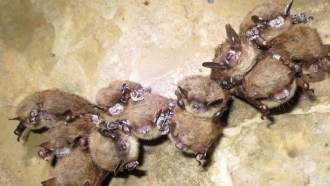
White-nose syndrome, caused by a fungus, has killed millions of bats in the eastern United States. Now, scientists show that the disease comes and goes, by season. The finding could help scientists more effectively target any treatments.
- Agriculture
Livestock: A need to save rare breeds
New studies and ongoing work highlight why society should save rare livestock breeds — and the part that technology can play.
- Agriculture
Explainer: What is a gene bank?
Most banks store money. But some very special ones store deposits that may prove even more valuable: tissues that could prevent the extinction of breeds and species.
- Brain
Harry Potter reveals secrets of the brain
Figuring out how the brain makes sense of what we read isn’t easy. So scientists enlisted the magical world of Harry Potter. It allowed experts to predict with great accuracy which brain areas would be active in a given part of the story.
- Animals
Scientists say: Hibernaculum
This week’s word is hibernaculum, the word scientists use to describe the place where an animal goes to hibernate.
- Earth
Dino double whammy
Most scientists think an asteroid helped kill off the dinosaurs. But new calculations suggest that asteroid might have gotten some help from a long series of volcanic eruptions in what is now India.
- Animals
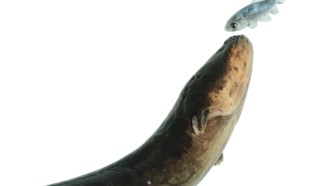
Electric eels get on their prey’s nerves
Electric eels wield remote control over their prey’s muscle movements. They do this by zapping their nervous system. Experiments suggest the creatures use these paralyzing bursts of energy to hunt, too.
- Animals
A nervy strategy for transplants
Adjusting the electric charges in cells helped a transplanted eye reach out to its new host. The eye grew cells, which help transmit signals to other cells.