Life
- Brain
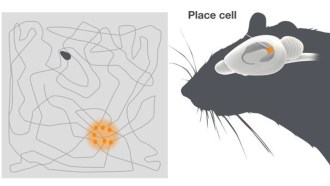
Nobel goes for finding brain’s ‘GPS’
The 2014 Nobel Prize in Physiology or Medicine has been awarded to scientists who discovered how the brain maps our place within our environment.
- Animals
Picture this: Too many walruses
A giant herd of walruses have hauled out onto a beach in Alaska. They don’t belong there, but with no ice nearby, they have taken to land.
- Tech
Repelling germs with ‘sharkskin’
A biotechnology company has found a way to repel superbugs without toxic chemicals. It mimics the texture of a shark’s skin.
- Animals
Rare as a rhino
Most species are rare. Some have always been rare. A problem develops when people are responsible for accelerating a species’ rarity to the point that extinction threatens.
- Fossils
Early dino-era start for modern mammals
Fossils of an extinct group of rodent-sized mammals suggest they were related to modern mammals. These ancient remains push back the origin of mammals by many millions of years.
- Microbes
Recycling the dead
When things die, nature breaks them down through a process we know as rot. Without it, none of us would be here. Now, scientists are trying to better understand it so that they can use rot — preserving its role in feeding all living things.
- Brain
Eating disorders: The brain’s foul trickery
Experts on eating disorders are probing why sometimes deadly chemical changes can distort how much the brain says we need to eat.
- Brain
Your sleeping brain is listening
Most people think that sleep is when the brain turns off to rest. But a new study finds that even as people get their zzz’s, their brains remain alert. At least they stay alert enough to sort information as though they were awake.
- Animals
Sharks’ super sniffers at risk
Rising ocean acidity could rob sharks of their ability to sniff out dinner, marine biologists find.
- Fossils
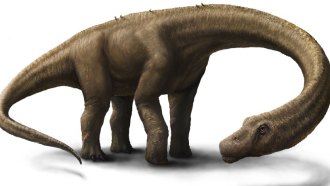
Biggest dino ever?
This plant-eater would have towered over even a T. rex. A truly huge brute, Dreadnoughtus means ‘fear nothing.’
- Health & Medicine
You can be too thin
Eating disorders aren’t about vanity. They are mental illnesses that can prove deadly.
- Health & Medicine
The media’s dangerous influence on body image
A study found how powerful TV and ad messages can be in distorting the attitudes about body image among young girls in Fiji.