Life
- Animals
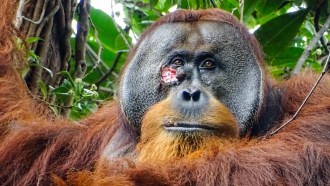
Wild medicine! An orangutan treated his wound with a local plant
This great ape, living in Indonesia, doctored the gash on his face with a plant that people living in the area use as a natural medicine.
- Climate
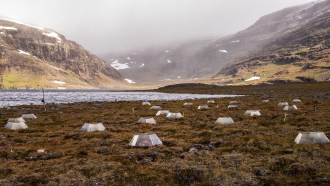
Microbes in the Arctic may be releasing more climate-warming gases
Mini greenhouses in the wild show how the tiny organisms lurking underground in a ‘sleepy biome’ could play a big role in climate change.
- Fossils
This paleontologist studies ancient mammal movement — virtually
Anne Kort uses computers to piece together the fossils of ancient mammals. Studying fossils virtually offers her more ways to study fragile remains.
- Animals
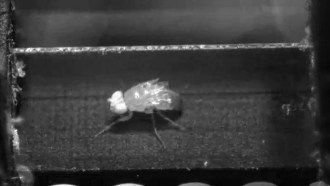
Tiny treadmills reveal how fruit flies sprint
Forcing fruit flies to move shows how the insects coordinate their steps. This holds clues to other animals’ brains and movement.
- Animals
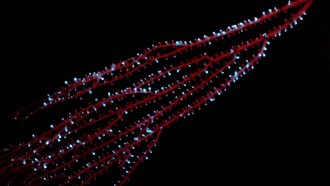
Corals may have been the first life forms to glow in the dark
Ancestors of modern octocorals may have lit up the deep sea as far back as 540 million years ago.
- Animals
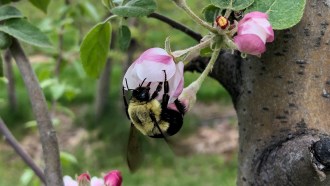
Hibernating bumblebee queens can survive days of watery submersion
Hibernating queen bumblebees survived accidental submersion, leading researchers to discover their surprising resilience to flooding.
- Animals
Scientists Say: Endotherm and Ectotherm
Endotherms use their own energy to maintain their internal temperature. Ectotherms use external heat sources to control their body temperature.
- Fossils
Young fossil hunters discover rare teen T. rex
In public view, scientists at the Denver Museum of Nature and Science will prepare the fossil for display. Their work will take about a year.
- Animals
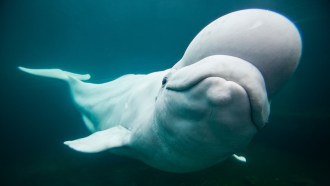
Belugas can warp and wiggle their forehead fat like Jell-O
Molding and moving this ‘melon’ may help the whales communicate.
- Plants
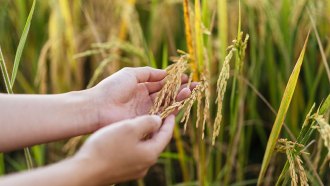
Gene editing may help rice better withstand climate change
Three genes may limit the ability of rice to handle dry or salty conditions. A Regeneron ISEF finalist shows that CRISPR could target and change them.
- Plants
Flowers may electrically detect bees buzzing nearby
The discovery may reveal how plants time nectar production and share information with neighboring blooms.
- Animals
Phoenixes aren’t the only creatures to survive the flames
Although a phoenix that burns and lives is a myth, many living things on Earth don’t mind hot temperatures.