Life
- Animals
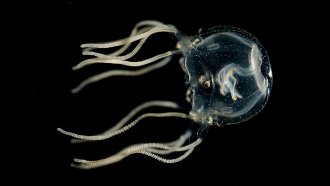
These jellyfish can learn without brains
No brain? No problem for Caribbean box jellyfish. Their simple nervous systems can still learn, a study suggests.
- Tech
Bits of trees can make and store energy for us to use
This cellulose and lignin, two major building blocks of trees, could lead to greener electronics.
- Tech
Bionic plants and electric algae may usher in a greener future
Some can aid the climate by removing pollutants. Others would just avoid dirtying the environment in the first place.
- Climate
Some tree leaves are finding it too hot for photosynthesis
Earth’s ongoing fever threatens to push entire forests toward this heat limit — and possible death.
- Plants
Scientists Say: Fertilize
This word describes both a stage of sexual reproduction and the agricultural practice of adding nutrients to soil.
- Plants
Young corn leaves can ‘smell’ danger
As they mature, these leaves lose their ability to detect threatening scents.
- Animals
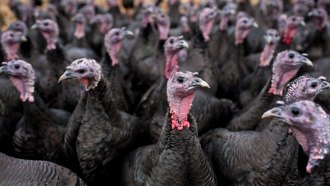
Let’s learn about why turkeys are dinosaurs
Modern birds are the only dinosaurs that survived an apocalyptic extinction event 66 million years ago.
- Brain
Scientists Say: Deep brain stimulation
Through wires implanted in a person’s brain, this medical treatment can help treat various conditions.
- Animals
Invertebrates are pretty clever, but are they conscious?
Scientists are designing experiments to test whether these animals have self-aware experiences as we do.
- Humans
Senses help the brain interpret our world — and our own bodies
Most people are familiar with sight, hearing, smell, taste and touch –– but there are others. Learn about them here.
- Animals
Some cockatoos craft drumsticks, then woo mates like a rockstar
To win over a gal, these flashy males craft and use their signature instruments in a musical display akin to a human rock concert.
- Brain
Let’s learn about mind reading
In the future, more advanced, less bulky mind-reading equipment could raise serious privacy concerns.