Life
- Life
Let’s learn about microbes
There may be a billion species of microorganisms on Earth — but scientists have only discovered a small fraction of them.
- Animals
Birds could get their sense of direction from quantum physics
Songbirds could detect north and south using a protein in their eye. It works somewhat like a compass.
- Animals
A bubble of air lets some lizards breathe underwater
Anolis lizards leap into streams to escape danger. Now researchers have figured out how they can stay underwater for up to a quarter of an hour.
- Archaeology
Fossils unearthed in Israel reveal possible new human ancestor
They come from a previously unknown Stone Age group that may represent a complex mashup of early members of our genus Homo.
- Animals
Sudden shark die-off 19 million years ago eliminated most species
New fossil evidence shows 90 percent of sharks died in the mysterious event.
- Animals
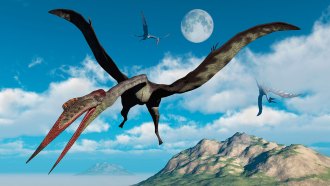
Let’s learn about dinosaurs’ fearsome neighbors
Dinosaurs may get much of our attention, but there were plenty of other interesting critters during the Age of Reptiles, including our mammal ancestors.
- Plants
These ferns may be first plants known to work together as ants do
Staghorn ferns grow in massive colonies where individual plants contribute different jobs. This may make them “eusocial,” like ants or termites.
- Brain
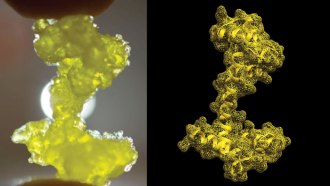
Father-son bond inspires sweets that model the shapes of molecules
These bite-sized gummy candies could spark interest in the world of chemistry, especially among students who can’t see.
- Animals
Urchin mobs can literally dis-arm a predator
Urchins are important herbivores — but not strict vegetarians. When hungry enough, they may even rip apart their predators for lunch.
- Animals
Engineers surprised by the power of an elephant’s trunk
An elephant's trunk can suck air through it fast — at more than 335 miles per hour (150 meters per second)!
- Animals
Let’s learn about whales and dolphins
Whales, dolphins and porpoises are all cetaceans — mammals that live in water and have a streamlined body similar to a fish.
- Animals
Common parasite may help mussels survive heat waves
By whitening shells, the organism helps the shellfish stay cool on sunny days, a new study suggests.