Life
- Materials Science
Silk-based microneedles may help treat diseased plants
Engineers have invented silk microneedles to inject medicines into plants. One day farmers might use drones to dart their sick plants with meds from the air.
- Fossils
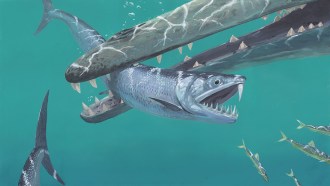
Saber-toothed anchovy relatives were once fearsome hunters
Today’s plankton-eating anchovies sport tiny teeth. But their ancient kin were armed with spiky lower teeth and a giant upper sabertooth.
- Animals
Why you’re spotting more wildlife during COVID-19
People are seeing more animals than they did before the pandemic. There are many reasons why.
- Animals
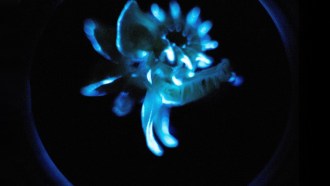
This tube worm’s glowing slime may help sustain its own shine
Snot oozed by a marine tube worm can glow for up to 3 full days. The secret of how this works might lead to long-lasting lights that glow on and on.
- Animals
#BlackBirdersWeek seeks to open the outdoors for everyone
The social media campaign #BlackBirdersWeek hopes to show the world the many black birders and nature lovers of color.
- Animals
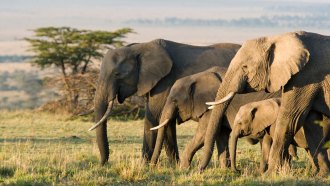
Why elephants and armadillos might easily get drunk
Stories of drunken elephants may not be a myth. Differences in a gene for breaking down alcohol could explain how they get tipsy.
- Life
Planets with hydrogen skies could harbor life
Microbes can live in a hydrogen atmosphere. This points to new space worlds that host alien life.
- Health & Medicine
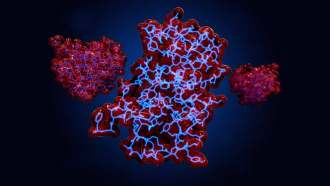
Scientists Say: Protein
Proteins are molecules made up of building blocks called amino acids. They play many key roles in the body’s cells and are essential for life.
- Animals
When prey get scarce, these jellies become cannibals
Invasive comb jellies may feast on their larvae if massive population booms in summer deplete their prey.
- Chemistry
Ancient recipes helped scientists resurrect a long-lost blue hue
Led by medieval texts, scientists hunted down a plant and used its fruit to make a blue watercolor with mysterious origins.
- Animals
Traces from nuclear-weapons tests offer clues to whale sharks’ ages
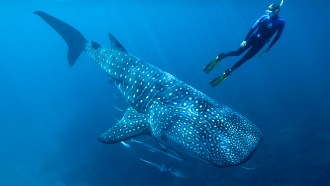
Traces left by nuclear-bomb testing in the 1950s and ‘60s can help researchers learn how old a whale shark is.
- Animals
Let’s learn about domestic cats
Cats rule the internet — and many of our homes. To get here was a journey of many thousands of years.