Life
- Animals
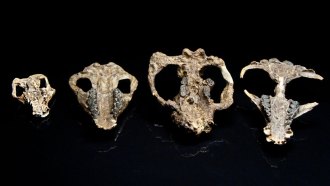
Fossils show mammals’ rise to dominance after the dino-killing asteroid
What happened to mammals after an asteroid wiped out the dinosaurs? Newfound fossils show how they grew in size, eventually dominating much of life on Earth.
- Animals
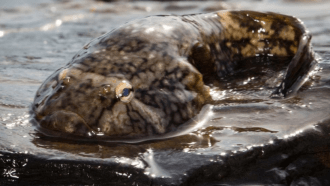
Weird little fish inspires the development of super-grippers
Suction-cup designers were inspired by the rock-grabbing tricks of the aptly named clingfish.
- Animals
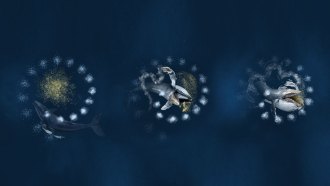
Humpback whales catch fish using bubbles and flippers
Scientist for the first time have captured details of humpback whales’ hunting tactics on camera.
- Animals
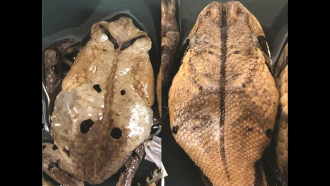
Congolese toads may avoid predators by copycatting deadly vipers
If Congolese giant toads are mimicking venomous Gaboon vipers, this would be the first reported case of a frog imitating a snake.
- Animals
Scientists Say: Species
This word describes organisms grouped by their similarities in genetics and physical traits. But defining species can be tricky.
- Animals
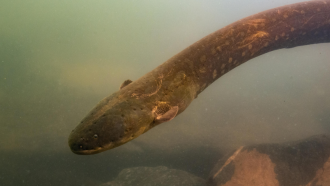
Newly discovered eel sets a jolting record for animal voltage
Scientists have found two new electric eel species. One now holds the animal kingdom’s record for highest delivered voltage.
- Animals
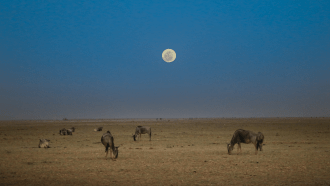
The moon has power over animals
The moon is known for its tidal effects. But its light also can exert a powerful influence on animals large and small.
- Agriculture
Groundwater pumping is draining rivers and streams worldwide
Excessive groundwater use could push more than half of the regions that depend on water pumped up from underground aquifers past an environmental tipping point by 2050. That could threaten aquatic ecosystems around the world.
- Animals
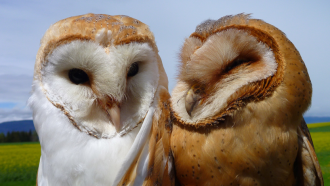
Standing out helps barn owls on the hunt
White barn owls are more successful hunters than red ones — at least when the moon is full.
- Earth
Earthworms lose weight in soils polluted with microplastics
Bits of plastic pollution in the ground caused earthworms to lose weight. That could hurt the worms’ ability to make soil healthy, and may explain why plants were stunted.
- Brain
The science of ghosts
One in five Americans say they’ve encountered a ghost. But science has no evidence that ghosts are real. Here are more likely explanations.
- Genetics
Could disabling one protein cure the common cold?
Cold viruses — and there are many — seem to need this human molecule to spread.