Life
- Fossils
Scientists Say: Paleontology
This is the study of prehistoric life based on fossils of microbes, plants, and animals found in rock.
- Animals
What we can — and can’t — learn from our pets’ DNA
Your dog or cat’s DNA is an open book. DNA tests tell people about their pet’s breed and attempt to predict things about its behavior and health.
- Genetics
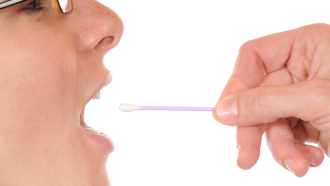
Explainer: How DNA testing works
Lots of companies will now test DNA from people and their pets. How do these gene-sequencing techniques work? We explain.
- Animals
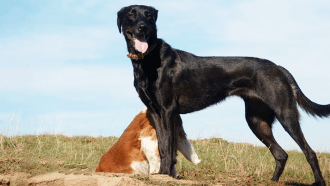
DNA testing looks into dog breeds and cat history
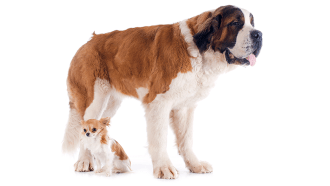
Dog and cat breeds can look very different from one another. How does it happen? Combinations of tiny genetic tweaks.
- Brain
Slower brain development ups a teen’s risk of getting into a car accident
Lack of driving experience isn't the only factor in whether a teen gets into a car crash. Crash risk in young drivers is also related to development of their brains’ working memory.
- Life
Scientists Say: RNA
This is a molecule that helps cells make proteins from the instructions encoded in DNA.
- Chemistry
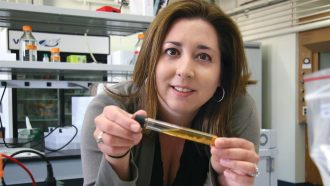
Cool Job: One green chemist is mining zoo dung for biological helpers
Her goal is to convert farm-field wastes into useful fuels and chemicals
- Animals
Could Wednesday Addams really jolt a frog back to life?
A spark that recalls some science history brings a dead frog to life in The Addams Family. Scientists are now using electricity to build the body.
- Brain
The color of body fat might affect how trim people are
Brown fat burns calories to keep us warm. Researchers are searching for ways to boost it to help fight obesity and diabetes.
- Health & Medicine
Medicine Nobel honors discovery of how cells deal with oxygen
Three researchers figured out the chemical processes by which cells not only sense, but also cope with, differing levels of oxygen. This could lead to new medicines.
- Animals
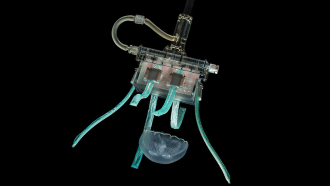
This robot catches jellyfish with a gentle ‘hug’
A soft robotic hand gently catches jellyfish by trapping the creatures within its silicone fingers.
- Animals
Breeding has given different dogs distinct brain shapes
An analysis of the shapes of brains in different dog breeds shows how humans have altered the animals’ brain anatomy.