Life
- Health & Medicine
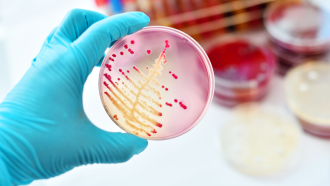
Drug-resistant germs kill some 35,000 Americans each year
The new mortality rate may be way low, some experts say. Also troubling are two new germs that have emerged as big and urgent threats.
- Animals
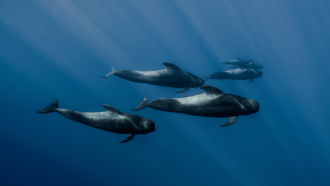
Whales echolocate with big clicks and tiny amounts of air
Toothed whales may echolocate using bits of air that they recycle inside their heads to conserve both air and energy.
- Brain
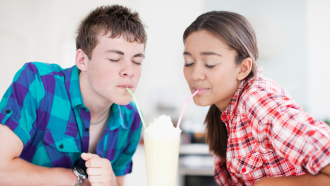
As teens gain weight, they find high-fat foods less pleasurable
Teens who gained excess weight showed less activity in the brain’s reward center when viewing or tasting foods with lots of fat.
- Environment
Scientists Say: Nutrient
Nutrients provide living things, from bacteria to animals, with the energy and materials to grow. But too much of a nutrient can sometimes cause harm.
- Animals
Drones help scientists weigh whales at sea
Drone imagery lets scientists estimate a whale’s weight. And that may help monitor the health of these big mammals for conservation purposes.
- Brain
Sleep may jumpstart the brain’s power washing system
Waves of fluid wash into the human brain during sleep. That’s good. They just may help clean out toxic proteins.
- Animals
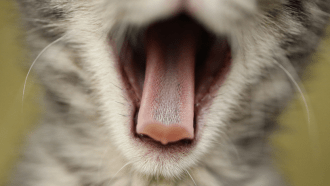
Scientists Say: Papillae
These small nubs stick out from a body part. They include things such as tongue bumps with taste buds and the structures under the skin that help grow hair.
- Animals
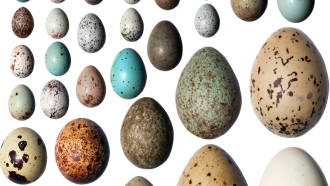
Why are bird eggs in cold climates darker colored?
A global survey of bird egg color has revealed a simple trend: the colder the climate, the darker the egg.
- Chemistry
Scientists look to hack photosynthesis for a ‘greener’ planet
Photosynthesis turns sunlight into energy for plants. Scientists want to know more about it, imitate it — even improve it.
- Animals
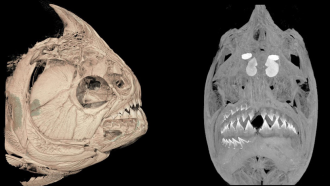
Piranhas and plant-eating kin replace half their teeth at once
Piranhas and pacus shed and replace half of their teeth at a time. New teeth lock together as they push up from the jaw.
- Life
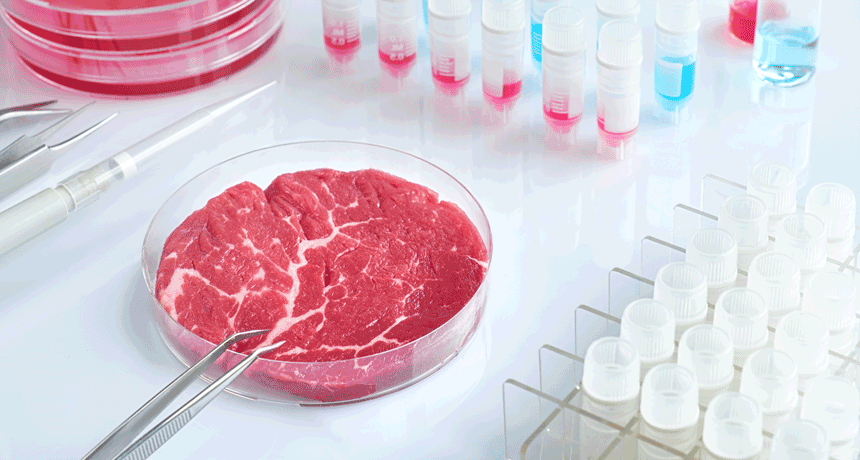
A new spin on lab-grown meat
A technique inspired by how cotton candy is spun could help produce lab-grown meat at a lower cost and on a bigger scale.
- Animals
Blood vessels in their heads kept big dinos from overheating
Giant dinosaurs evolved several ways to cool their blood and avoid heatstroke.