Tech
- Animals
Why you’ll never see a dirty gecko
By knowing how a gecko’s skin works, could self-cleaning, water-repelling, antibacterial clothes be far behind?
- Chemistry
Goopy tech leaves older 3-D printing in its wake
A new way of 3-D printing combines light and oxygen to create solid objects from liquid resin. The method quickly creates detailed objects.
- Computing
3-D Recycling: Grind, melt, print!
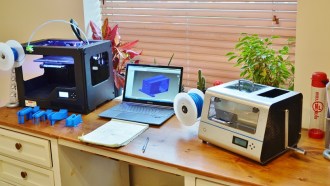
A new 2-in-1 desktop machine quickly recycles plastic trash into low-cost 3-D printer ‘ink’ at the push of a button.
- Physics
‘Smart’ clothes generate electricity
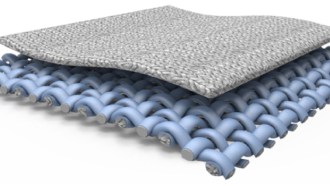
Scientists in South Korea have developed a fabric that captures energy from its wearer’s motions and turns it into electricity.
- Physics
Science in Hollywood
Audiences are getting smarter, so the makers of movies, TV shows and video games are responding by enlisting scientists to make everything on screen appear even more authentic.
- Tech
Museum app fleshes out old bones
Museum app breathes life into skeletons. But it will need more funding to make it shine.
- Chemistry
Sunglasses on demand
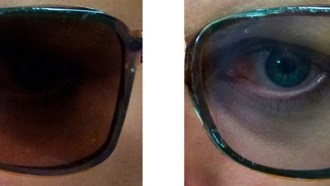
Plastics that conduct electricity let new color-changing sunglasses go from dark to light and back again at the tap of a switch. The shades could come in a range of colors too.
- Health & Medicine
Vision-ary high tech
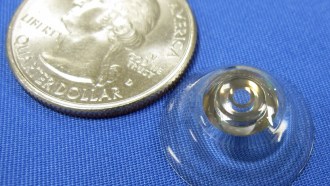
New devices are being developed to improve, restore or preserve the vision of people with eye diseases, such as glaucoma and macular degeneration. One device is a telescopic contact lens than can be zoomed with a wink.
- Computing
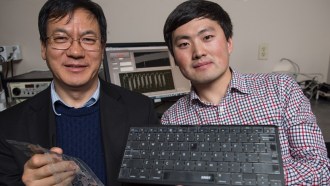
This ‘smart’ self-cleaning keyboard is powered by you
A new electric keyboard locks out anybody but its owner. It’s not only self-cleaning but also powered by your fingertips.
- Health & Medicine
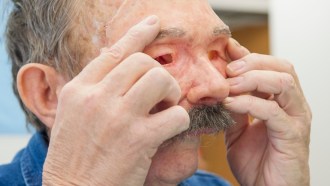
When a part makes you whole
New technologies allow medical experts to create remarkably detailed artificial faces. They can help restore the appearance — and the confidence and self-esteem — of patients who have suffered a disfiguring injury or disease.
- Materials Science
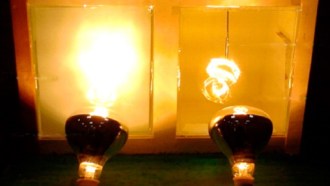
‘Smart’ windows could save energy
Tiny chemical droplets in a liquid sandwiched between panes of glass turn cloudy when they warm up. This will block some sunlight and potentially save on air conditioning bills.
- Computing
Don’t hold ’em – just fold ’em
Scientists have designed a problem-solving process that allows a computer to win at a kind of poker. It gives a computer enough knowledge to win against any opponent — eventually.