Not all that tastes sweet is sugary
Natural and artificial compounds both taste sweet to our tongue
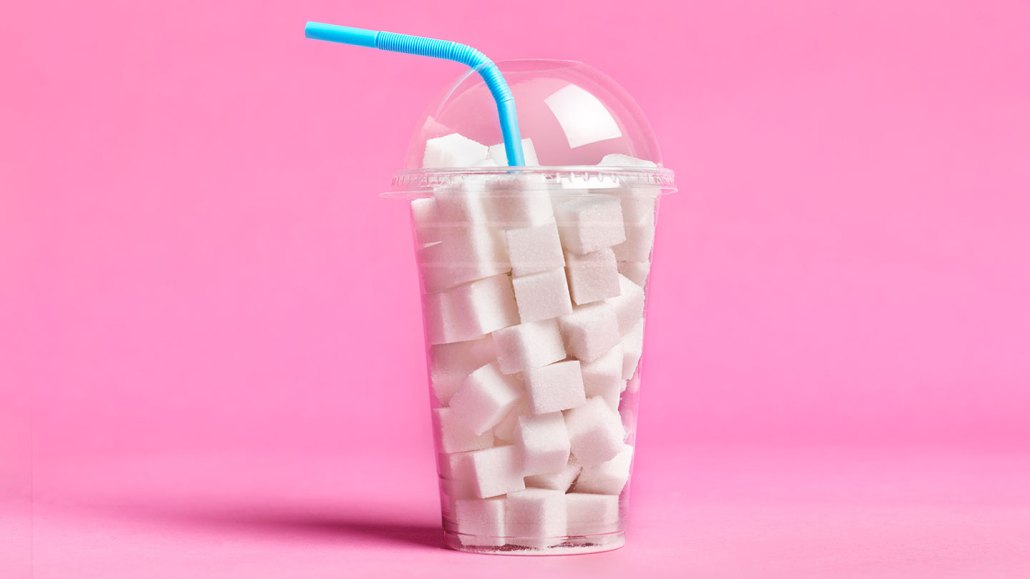
We love sweet food and drinks. Sometimes the sweetness comes from sugar. But scientists have now developed many alternatives that tickle our sweet taste buds — with little or no sugar added.
Peter Dazeley/The Image Bank/Getty Images
This is a human-written story voiced by AI. Got feedback? Take our survey . (See our AI policy here .)
When babies taste sugar for the first time, a look of delight spreads across their faces. Some wiggle with excitement. It turns out, we’re born with a sweet tooth.
“There’s a reason for that,” says Andrew Odegaard. “We crave it because our body needs it.” Odegaard works at the University of California, Irvine. As an epidemiologist, he studies health in groups of people.
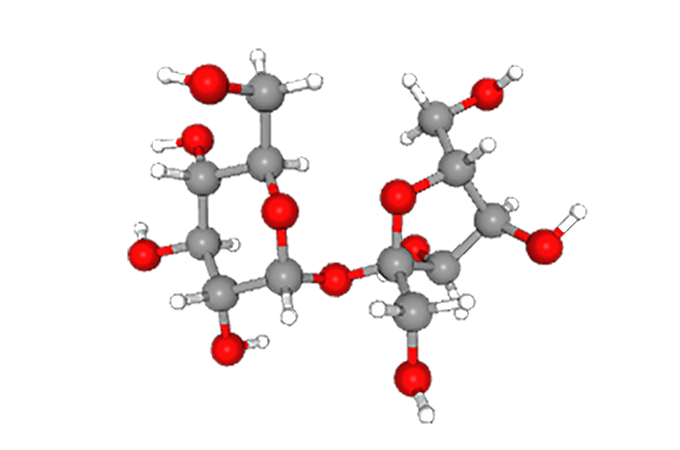
Sugars, the simplest of carbohydrates, are the body’s primary energy source. Our cells run on glucose. It’s one of the main monosaccharides, the basic building blocks of sugars. Table sugar, or sucrose, is made of one molecule of glucose and one of fructose (another monosaccharide). Joined together, the two become a disaccharide (here, “di-“ means two).
Table sugar
This is a representation of a molecule of sucrose, or table sugar. It shows its two component monosaccharides. The larger molecule on the left is glucose. On the right is fructose. They are bound together at the center.
Sugar tastes sweet because its molecules bind to sweet receptors on your tongue. They signal the brain to let it know you’ve just tasted something delicious — and often full of energy.
“This role of our taste system is to act as the primary gateway controlling ingestion,” says Charles Zuker. A neuroscientist, he studies the brain at Columbia University in New York City. This system evolved, he says, “so we can be attracted to things we must have in our diet.”
Zuker is part of a team that discovered the sweet taste receptor in 2001. And this receptor requires quite a bit of sugar to make it take notice.
“It evolved that way,” Zuker says. This lets our brains tell the difference between higher- and lower-sugar foods. After all, it makes sense to pick the sweetest thing, Zuker says. “I get the most [calories] for my effort.”
In the past, when food was harder to find, that was probably very important. Today, though, many doctors worry that our diets have become too sugary.
Some people are filling up on soda and candy instead of fruits and vegetables. While some sugar is fine, eating too much can harm our health. As one way to cut back, scientists have now developed sugar-free compounds that mimic sugar’s sweetness.
Do you have a science question? We can help!
Submit your question here, and we might answer it an upcoming issue of Science News Explores
Sickeningly sweet
Because we evolved to enjoy sugar, it becomes easy to eat too much of it.
Manufacturers add a lot of sugar to processed foods, such as snacks, drinks, sauces and even some breads, notes Monica Dus. She’s a neuroscientist at the University of Michigan in Ann Arbor.
When we eat more sugar than we need, our bodies will store the excess as fat. That can lead to weight gain. Over time, that extra fat can also increase someone’s risk of type 2 diabetes, obesity and heart disease, Odegaard says.
Eating sugar also causes levels of glucose to rise in the blood. When an organ called the pancreas senses these high levels, it releases a hormone called insulin.
Insulin helps glucose get into cells so they can use it for energy. But too much glucose in your blood over a long period will stress the pancreas, Odegaard says. This can lead to insulin resistance. Now, he says, “your cells can’t make use of all the sugar that you have, or they don’t work as well.”
When someone has diabetes, for example, they must be very careful about their blood glucose. That often means they need to sharply control how much sugar they eat.
No sugar added
Back in 1879, Constantin Fahlberg was a chemist at Johns Hopkins University in Baltimore, Md. One day he forgot to wash his hands when he raced out of the lab to dinner. He had been working with coal tar (a byproduct of coal). Sitting down to dinner, he was shocked to find that everything he touched tasted sweet.
He realized it was due to something he carried home from work on his hands.
Fahlberg raced back to the lab. “I tasted the contents of every beaker and evaporating dish on the table,” he later wrote. (Definitely do not try that.)
It turns out he had accidentally discovered saccharin, an artificial sweetener. Because the tongue’s sweet taste receptor is relatively insensitive, it responds to many things that aren’t sugar, Zuker explains. Some, like saccharin, bind more strongly to this receptor than sugar does.
Saccharin binds so strongly that even a tiny amount tastes intensely sweet. But our bodies don’t break down saccharin. So unlike sugar, our bodies get no energy from it.
Scientists have since developed other artificial sweeteners. The body also interprets some chemicals in fruits and other plants as sweet but doesn’t process them like sugar (see box). Some can’t be broken down by the body at all.
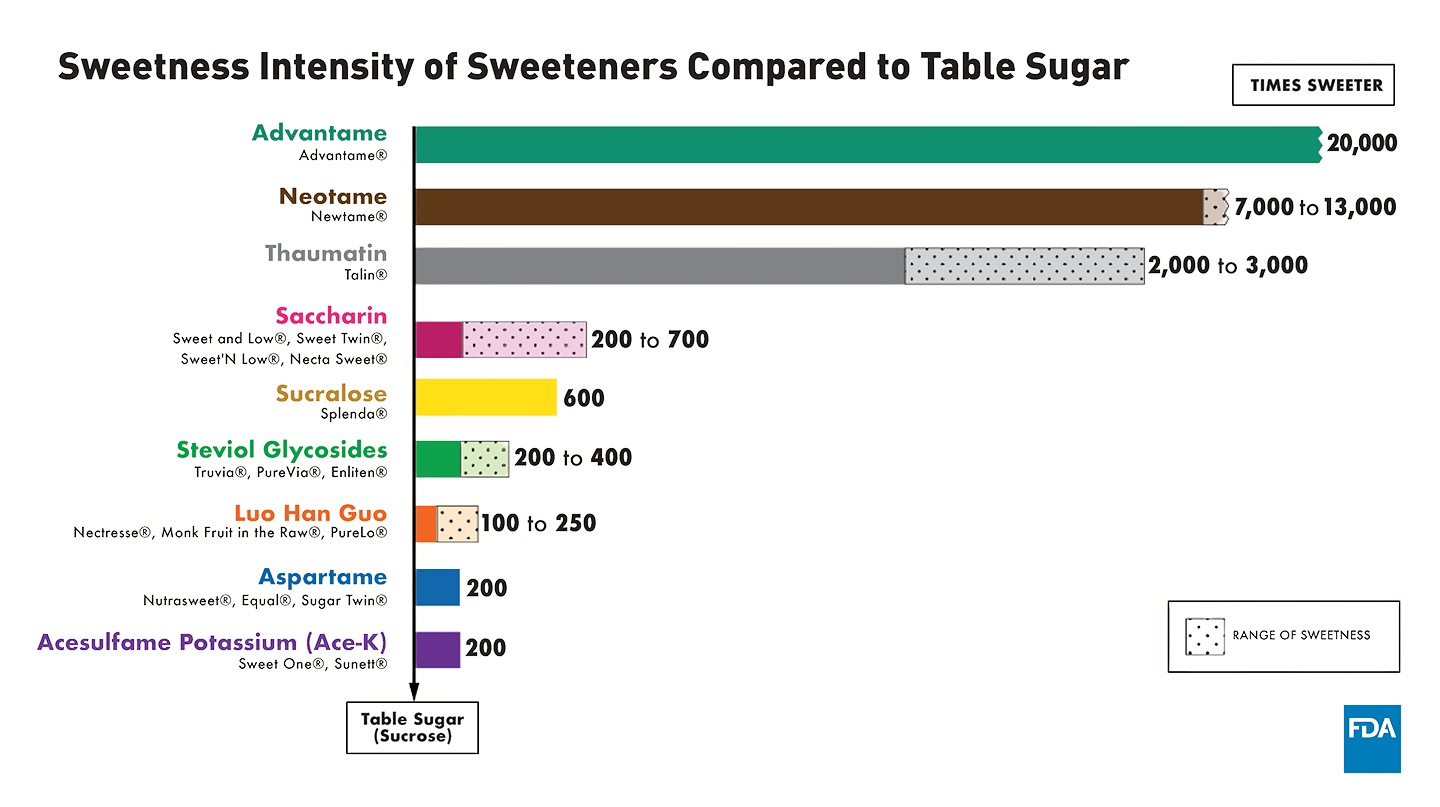
“You essentially just [consume] them,” he says, “and then you just pee them out.” Such sweeteners have few or no calories. They also won’t spike blood glucose.
“The biggest challenge with artificial sweeteners nowadays is that none of them really ultimately taste like sugar,” Zuker says. Some have a funny aftertaste or a strange texture. And because some (such as allulose or sugar alcohols) don’t get digested, they can make your stomach pretty unhappy.
In 2025, Zuker’s team worked out the exact structure of the sweet taste receptor. By knowing precisely how different molecules fit into it, they hope to learn how to design better low- or no-sugar sweeteners.
Too much sugar can be bad for us, but that doesn’t mean we should stop eating it, says Dus at Michigan. Glucose, after all, is the brain’s favorite dish. She says it’s unfair to say “sugar is evil” or “sugar is bad.” In fact, Dus points out, “Sugar is part of our evolutionary history.”
It’s also an important part of most cultures: Consider how widespread sweet desserts are. So just saying that sugar’s bad, she says, risks “not recognizing our biology and not recognizing our humanity.”