All Stories
- Animals
The end of the dinosaurs appears to have come in springtime
Fish fossils from North Dakota suggest when the Chicxulub asteroid devastated Earth, triggering the mass extinction of dinosaurs and other species.
- Health & Medicine
Explainer: The body’s immune system
An army of cells — and their protein arsenal — work to keep us safe. Several squads of special forces possess unique superpowers to disable or kill intruders.
- Tech
Scientists Say: Machine learning
Machine learning allows computers to learn new skills without programmers having to write out step-by-step instructions.
- Archaeology
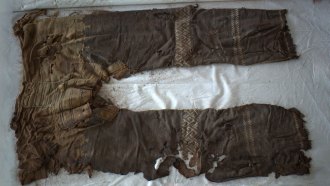
The earliest known pants are surprisingly modern — and comfy
This 3,000-year-old garment was not only stylish but also functional. By recreating it, scientists also unraveled its complex and multicultural origins.
- Earth
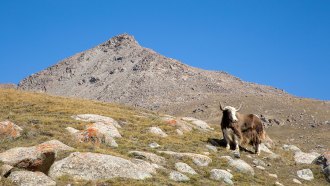
The Alps’ Matterhorn shows how much even big mountains sway
Such mountain sway data can help planners map high-risk zones for peaks, bridges or any large structures.
- Brain
Is the sky really blue? It depends on what language you speak
English speakers talk about color a lot but rarely about smell. Researchers are learning how those who speak other languages sense the world and why differences arise.
-
- Brain
Teen inventors say: There’s got to be a better way
Finalists in the 2022 Regeneron Science Talent Search are revamping prostheses, earthquake safety systems and air travel.
- Climate
Satellites find big climate threats — ultra-emitters of methane
Eyes in the sky show many of the worst methane emitters are in countries that produce a lot of oil and gas, such as Russia and the United States.
- Earth
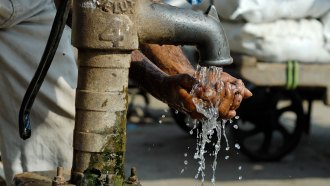
Let’s learn about Earth’s secret stash of underground water
Groundwater provides drinking water to billions of people and is used to water crops worldwide.
- Science & Society
Instagram influencers promote more unhealthy foods than other celebs
These findings could encourage new social media regulations to protect young users from being bombarded with unhealthy ads, says teen researcher.
- Animals
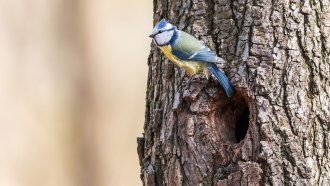
Analyze This: Birds may decorate nests to scare off rivals
Birds that nest in holes face stiff competition for nest sites. Some use feathers, also found where predators have made a kill, to keep rivals away.