All Stories
- Earth
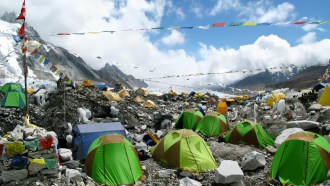
Analyze this: Microplastics are showing up in Mount Everest’s snow
Microplastics have made their way to the snow on Earth’s tallest peak. Most of the plastic likely comes from climbers’ equipment and clothes.
- Chemistry
Bye-bye batteries? Power a phone with fabric or a beacon with sound
New piezoelectric systems produce electricity in unusual ways, such as when a certain nylon bends or underwater ceramics vibrate.
- Brain
A taste map in the brain is a scattering of tiny flavor islands
Some senses are highly organized in the brain. Taste is not. And that points to just how important it is.
- Health & Medicine
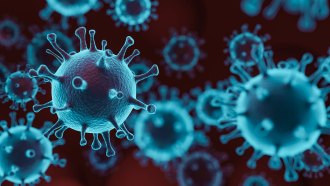
Early details emerge about the new U.K. coronavirus variant
The variant may spread more easily from person to person. That could make continuing to wear masks all the more important, experts say.
- Math
Scientists Say: Algebra
Algebra is a type of mathematics that studies symbols and how they can be shifted around.
- Animals
Touching allows octopuses to pre-taste their food
Special sensory cells in their arms’ suckers sense chemicals. Those cells allow them to taste the difference between food and poison.
-
-
- Planets
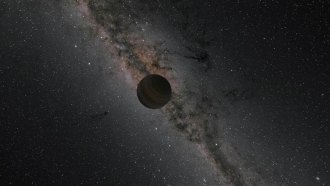
Rogue planets wander the galaxy all alone
Some planets don’t orbit stars. They were kicked into space long ago. The newest, smallest one found is only about as massive as Earth.
- Tech
Tracking Santa with science
Santa may be magical. But the North American Aerospace Defense Command (or NORAD) uses science to track his journey.
- Chemistry
A soil-based ‘concrete’ could make buildings green, even on Mars
A new soil-based material offers an alternative to concrete for 3-D printing environmentally friendly buildings.
- Animals
Utah mink is first known case of the coronavirus in a wild animal
A wild mink appears to have picked up the novel coronavirus from farmed animals. Such spread in the wild does not appear common.