All Stories
- Earth
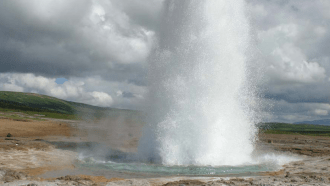
Scientists Say: Geyser
Geysers are underground springs with vents to the surface. When the water gets heated from nearby magma, the geyser blows.
- Fossils
Mini tyrannosaur fills big evolutionary gap
A newfound dinosaur named “omen of doom” fills a gap in tyrannosaur evolution. It helps to narrow when the group sized up.
- Brain
What part of us knows right from wrong?
Our conscience may have evolved from our need to cooperate. Scientists are learning where the brain’s moral centers are, and how they make us human.
- Health & Medicine
Fevers can have some cool benefits
Fever boosts the immune system by zipping germ-busting cells to the site of an infection, new data show.
- Chemistry
Ham bone broth could be a tonic for the heart
Health and fitness websites claim that drinking bone broth is a miracle cure. Here’s what some new research has to say about that.
- Chemistry
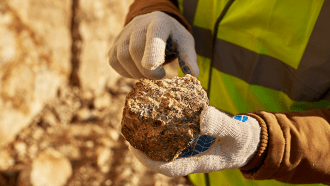
Why we should stop ignoring the life stories of minerals
All pure diamonds are the same mineral. But they didn’t form the same way. One scientist thinks it’s time to talk about the life stories of such rocks.
- Animals
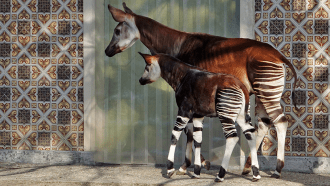
Scientists Say: Okapi
Okapis are African mammals that look a bit like horses and a bit like zebras. But they’re most closely related to giraffes.
- Health & Medicine
What’s behind frequent strep throat? Consult the tonsils
A faulty immune response might explain why some kids get strep throat often, new data show. Another problem: The diagnosis may a case of mistaken identity.
- Climate
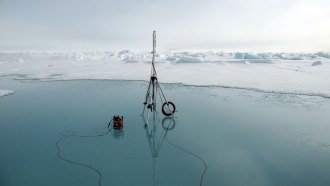
Disappearing sea ice could disrupt Arctic’s food web
When sea ice goes missing in the Arctic, every part of the ecosystem feels the effects.
-
What is trendy in today’s science fair projects?
Over the past 10 years, behavioral and social sciences have dominated submissions to the Regeneron Science Talent Search.
- Math
Exoplanet hunting, HIV-fighting and math garner big prizes for teens
Winners of the 2019 Regeneron Science Talent search hunted exoplanets in new ways, tracked how HIV likes to hide and tackled some candy jar math.
- Humans
Grandmother can be good for grandkids — up to a point
Women who live past their child-bearing years often help their grandchildren survive, data now suggest. But that help may depend on her age and how close by she lives.