All Stories
- Science & Society
This game designer shares neurodivergent experiences through gaming
Inspired by her own experiences, Susannah Emery designs games that raise awareness about neurodivergence and social issues.
- Animals
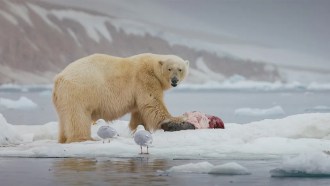
Polar bears leave thousands of tons of food scraps for other species
The new finding quantifies how much of polar bears' food goes uneaten. As these bears decline, Arctic scavengers risk losing a critical food source.
- Climate
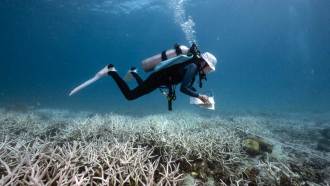
Global coral die-offs signal Earth’s first climate tipping point
The corals offer a dire warning, scientists say, and suggests that more such catastrophic points of no return could occur soon — some within a decade.
- Physics
Here’s how to levitate something without magic
Levitation may seem like fantasy. But all it takes is a little physics — and sound waves, magnetism or electricity.
-
- Tech
Let’s learn about lab-grown meat
Lab-grown meat may still be several years away from your local grocery. But such alternatives to farmed or free-range meats are on their way.
- Animals
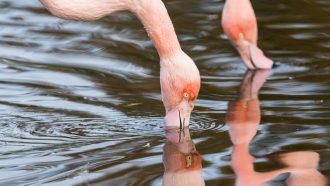
Flamingos hunt by creating their own underwater tornadoes
Chilean flamingos use their beaks and feet to create underwater whirlpools that suck in prey.
- Animals
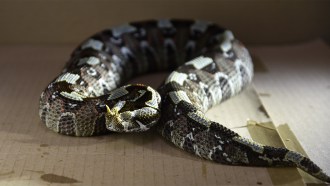
Beware the vipers: These snakes appear to strike the fastest
Other snake species, however, can also attack at amazingly fast speeds, giving stiff competition to some of the slower vipers.
- Humans
How to invent a language — like that of Avatar’s Na’vi
Linguists can choose to follow, mix or break the rules of real-world languages to create interesting fictional ones.
- Animals
Rudolph’s red nose could glow through bioluminescence
Simple chemistry could give the reindeer his iconic red snout. But physics would make it look different colors to anyone who spied Rudolph from the ground.
- Physics
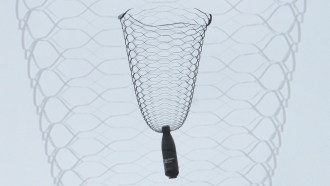
These parachutes unfurl thanks to Japanese paper-cutting techniques
Parachutes inspired by Japanese kirigami are full of holes. When dropped, they open automatically and fall more predictably than standard parachutes.
- Animals
Liquid from African tulip trees may protect honeybees from pests
Liquid from the African tulip tree may keep ant invaders out of hives without harming honeybees.