All Stories
- Earth
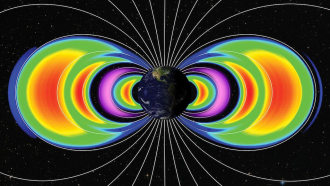
Scientists Say: Van Allen belts
Astronomers have detected these radiation belts around Earth and beyond. Jupiter’s belt is thousands of times as intense as Earth’s.
- Genetics
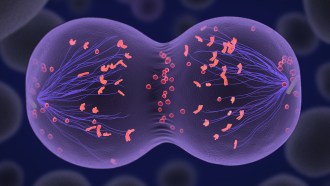
Scientists created human egg cells from skin cells
The technique could someday help people without reproductive cells of their own have children. But much more research is needed.
- Life
Award-winning micro-photos depict stunning details of nature
From fluorescent ferns to sprawling neurons, the 2025 Nikon Small World contest showcased the artistry of life as seen through a microscope.
- Physics
Why are skis so long?
Let’s strap skis to an action figure to see how long sticks of wood help people glide gracefully over snow.
- Plants
Let’s learn about autumn leaves
Here’s why some trees put on a colorful grand finale before losing their leaves for the winter.
- Microbes
Ants are the secret ingredient to this tasty yogurt
The traditional yogurt-making technique was once popular in parts of Europe and Asia. But don’t try this at home!
- Physics
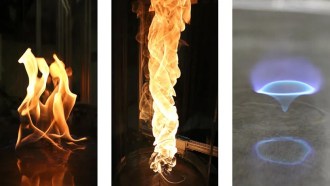
Scientists Say: Blue whirl
Four types of smaller flames create the perfect firestorm of elegantly efficient combustion.
- Physics
Scientists shrink 3-D printing so it can work inside cells
The new tech created barcodes, micro-lasers and a tiny elephant — all in living cells.
- Space
Fast, mysterious clouds swarm around our galaxy
Astronomers want to know the source — and importance — of these faint, fast-moving clouds that zoom beyond and toward our Milky Way’s disk.
- Physics
This microphone picks up sounds by watching them
This microphone can “hear” by viewing the tiny vibrations made in everyday objects as sound waves strike them.
- Brain
Big moments can help you remember little things, too
Emotional events help solidify memories. Scientists think this could someday help students study better or aid recovery of trauma survivors.
- Animals
Some gifted dogs can learn to sort their toys
Among dogs known to be gifted word learners, some can also sort toys by how they are used during play time. It’s one sign of a complex thought process.