All Stories
- Agriculture
Teen develops water-saving pods for seeds
In California’s drought, every drop of water counts. A teen developed a capsule to keep sprouting seeds wet and reduce water use.
- Animals
Dino brain found ‘pickled’ in boggy swamp
Scientists claim to have identified the first fossil brain tissue from a dinosaur.
- Brain
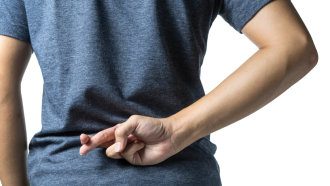
Lying sets up a liar’s brain to lie more
As people lie more, activity in one brain region falls, a new study finds. It’s an area associated with emotion.
- Chemistry
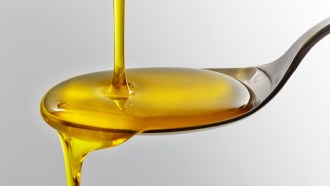
Scientists Say: Unsaturated fat
These fats are found in foods like olive oil. It’s their special bonds that make them go with the flow.
-
Teen prints a device to help keep wounds dry
A Broadcom MASTERS finalist invented a sensor that goes off when a wound is too wet. This would alert a patient it’s time to change their bandage.
- Physics
Hack: How to spy on a 3-D printer
Computer scientists have found that a hacker can eavesdrop on a 3-D printer using a smartphone. The technique uses sound and energy data produced by the printer.
- Environment
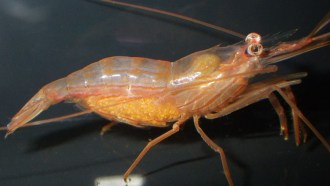
Ocean of the future may make shrimp small and colorful
Carbon dioxide released into the air can end up in the ocean, making it more acidic. A teen showed that this acidification could shrink shrimp and make them more colorful.
- Brain
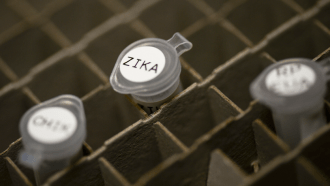
Zika birth defects: Concerns spread from head to toe
Zika infections may trigger problems well beyond babies born with small heads and brains. Scientists have begun linking a range of head-to-toe health ails to the virus.
- Animals
Our shocking eel story wins international prize
Roberta Kwok’s story on the shocking (and surprising) behaviors of electric eels was honored with a win for outstanding science writing.
- Genetics
New date for U.S. arrival of the AIDS virus
A new study shows that HIV started circulating at least a decade earlier than previously realized.
- Climate
Arctic Sea could be ice-free by 2050
Everyone contributes to the melting of Arctic sea ice, and all are in danger of making summer ice disappear there completely by 2050, a new study finds.
- Health & Medicine
Vaping may put your smile at risk
As e-cigarette use among teens rises, scientists find that vaping may cause cellular damage to the mouth, gums and teeth. Even the cells’ DNA was affected.