All Stories
- Brain
A ‘cocktail’ in the brain can trigger sleep
A new study finds that a ‘cocktail’ of chemicals in the brain can directly cause mice to fall asleep or waken.
- Health & Medicine
Teens take home huge awards for their research
Top three prizes — adding up to $175,000 — are a small fraction of the approximately $4 million just handed out at the 2016 Intel International Science and Engineering Fair.
- Health & Medicine
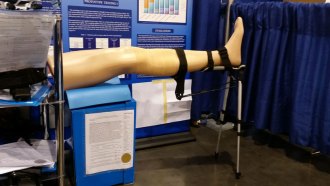
Injured leg? Here’s a built-in footstool
Sometimes doctors advise people to keep a leg elevated, but there’s no footstool to rest it on. A teen designed a brace with a built-in kickstand.
- Computing
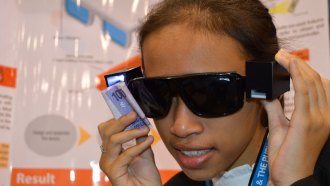
New device identifies money by its color
Two teens have invented a gadget that can help the blind identify the value of a banknote based on its color.
- Earth
Cool Jobs: Getting to know volcanoes
It’s too hot to explore the insides of a volcano. These scientists examine their lava, their low-frequency rumblings and their ‘vog’.
-
Teens share what inspired them in STEM
What inspires kids to pursue science, technology, engineering and math? These teens share their stories.
- Brain
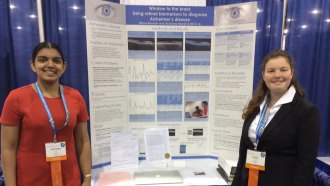
Eyes offer new window into Alzheimer’s disease
The eye’s retina is distinctly different in people with Alzheimer’s disease compared to those with no signs of the malady, two teens now report finding. It could lead to earlier diagnosis of the brain disease.
-
Taking science to the track
An athlete took on science research with a few friends and a heart monitor.
- Brain
Left brain stands guard during sleepovers
Part of the left half of the brain remains on alert while the rest of the brain and body snooze.
- Chemistry
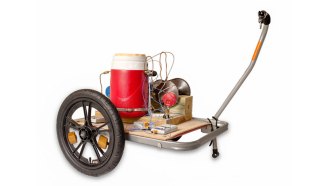
Keeping samples cool without electricity
When vaccines and blood get too warm or cold, they can become useless. Two teens invented ways to keep their temperatures just right, no matter where they are.
- Animals
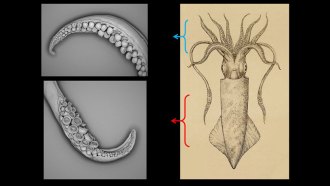
What medicine can learn from squid teeth
Scientists have identified what makes a squid's sucker teeth so strong. The findings may one day prove useful in medicine.
- Animals
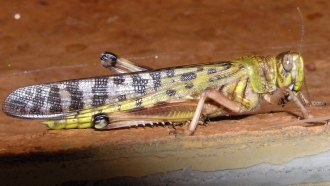
Insects can patch their broken ‘bones’
When insects suffer wounds, they can mend their ‘skeleton’ with a patch on the inside. This makes the leg strong again, new data show.