All Stories
- Animals
Eating toxic algae makes plankton speedy swimmers
After slurping up harmful algae, copepods swim fast and straight — making them easy prey for hungry predators.
- Life
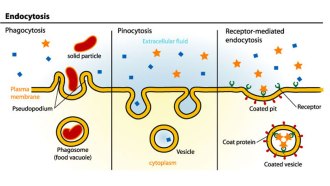
Scientists Say: Endocytosis
Small molecules can go into a cell through receptors or even just dissolve into it. But something big? That requires endocytosis.
- Archaeology
Hunter-gatherers roamed Florida 14,500 years ago
Tools and bones from a submerged site in Florida show that Stone Age people lived in North America earlier than was once thought.
- Health & Medicine
Teen offers technology that could help brain surgeons
It can reproduce plastic models of the precise faulty vessels that need fixing. Now doctors can see them, hold them and practice on them long before they pick up a scalpel.
- Brain
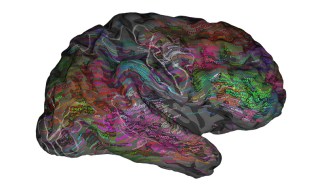
Mapping word meanings in the brain
A detailed new map shows that people comprehend words by using regions across the brain, not just in one dedicated language center.
- Animals
Common plant could help fight Zika virus
A teen discovered that extracts from leaves of the San Francisco plant (Codiaeum variegatum) kill larvae of the mosquito that helps spread the Zika and dengue fever viruses.
- Earth
How ancient African fish feed today’s Amazon
Many of the world’s lushest tropical forests would starve if winds didn’t bring them nutrient-rich dust from across an ocean.
- Animals
Snot may be key to dolphins’ tracking of prey
Dolphins produce clicking noises that bounce off of prey, like sonar, showing where they are. Mucus in the animals’ nasal passages may make that ‘sonar’ work.
-
Teen gymnast finds how best to keep her grip
Unsatisfied with anecdotal opinions on which type of gymnastics chalk was best, a teen used science to find out for herself.
- Animals
Bed bugs have favorite colors
Bed bugs change their color preferences as they get older. Adults like red and black, which may help the dark bugs avoid predators.
- Tech
Where did that turbine blade get smacked?
A new technique can help engineers figure out where a bird or other object collided with a wind turbine or other whirling blade.
- Brain
Small region of brain recognizes facial expressions
Scientists identify the brain region responsible for recognizing facial expressions in others. It helps us know whether others are happy or sad.