All Stories
- Animals
Explainer: Male-female flexibility in animals
Some animals behave as if they were the opposite sex; others can even change their sex — and still produce offspring.
-
Bake your way to your next science project!
This step-by-step series from the Eureka! Lab blog explains how anyone can do a research project and do it right.
-
Cookie Science 18: Eating it up
My cookie baking is at an end, but the steps in Cookie Science can be used to help you conduct any experiment in the kitchen and beyond.
- Brain
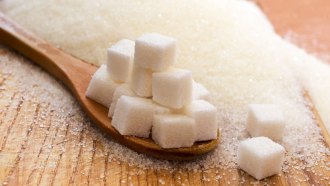
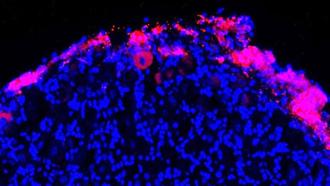
Sugar makes mice sleepy
Sugar may amp up sleep-promoting cells in the brain, a new study in mice finds.
- Health & Medicine
Pain relief could come from a ‘drugstore’ for cells
Mice with nerve damage can be treated for pain with an injection of cells from bone marrow. Scientists have now figured out why this works.
-
Fall into science with a new podcast
There are science shows and science books and science games for kids. Now there’s also an engaging science podcast.
- Computing
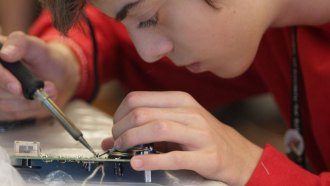
Radios: Build your own!
Building AM radios let young researchers from across the globe tune into electronics and engineering.
- Chemistry
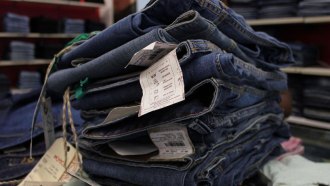
Bacteria become source of ‘greener’ blue jeans
Manufacturing indigo to dye blue jeans now relies on harmful chemicals. But researchers have found a less polluting way to produce the blue tint: bacteria.
- Planets
Scientists Say: Exoplanet
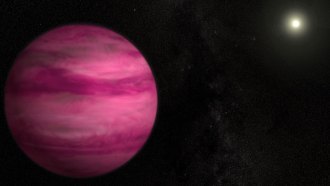
Eight planets orbit our sun. We give a slightly different name to the millions of similar bodies orbiting other stars.
- Brain
To protect kids, get the lead out!
Lead poisons hundreds of thousands of children. In Chicago, experts show how the toxic metal hurts test performance in school.
- Math
Explainer: Correlation, causation, coincidence and more
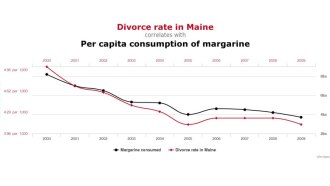
Don’t jump to conclusions from statistics unless you understand correlation, causation, coincidence and confounding factors.
- Chemistry
Secret to rose scent surprises scientists
Scientists discovered the molecular tool that roses use to make fragrance. And it wasn’t what they expected.