All Stories
-
National festival calling all math lovers
Math is important to everything from our computers to the magic in movies. Now there’s a national festival to show the fun side of numbers.
- Animals
News Brief: Tiny songbird is mega-flier
With no pit stops for refueling, this tiny bird wings it from Canada to South America.
- Climate
Mornings become electric
Lightning packs a wallop in the morning. The most powerful lightning strikes in the continental United States usually peak before noon.
- Animals
Scientists Say: Nematode
Nematodes are a group of related small worms found all over the world. They can cause disease, but they also can be useful for scientists to study.
- Genetics
How DNA is like a yo-yo
When not in use, DNA coils tightly. But it must uncoil for the cell to ‘read’ its genes. Physical forces affect how easily that happens, new data show.
- Earth
Fracking wastes may be toxic, tests show
Fracking operations have been polluting the environment. Some wastes have hormonal effects. Studies in mice now show that prenatal exposures to these wastes can trigger subtle but disturbing organ impacts.
-
The next MacGyver’s not a guy
A famous TV show featured an engineering hero. Now, a contest plans to bring engineering back to the screen, and needs your ideas.
- Animals
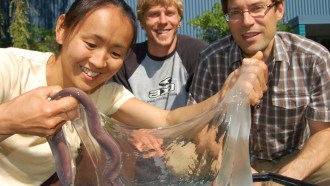
Secrets of slime
Mucus—snot—can be so gross. It’s also critical for many animals, including hagfish, snails and people. Snot can rid our bodies of nasty bacteria and viruses. In other creatures, it can smooth the road or rough up predators.
- Animals
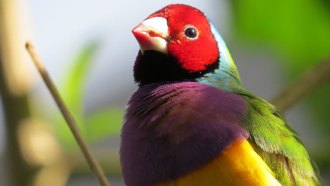
Mates or survival: Which explains a bird’s color?
When male birds are brightly colored, we assume that’s because their plumage attracts the gals. But a new study with thousands of museum specimens shows that sometimes survival is just as important a factor behind bird color.
- Humans
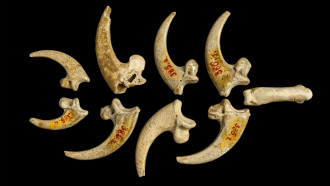
Neandertals create oldest jewelry in Europe
Adorned with all-natural signs of power: eagle claws. Holes in these claws show that Neandertals had been strung them together, like beads, as jewelry.
- Chemistry
Cooking up life for the first time
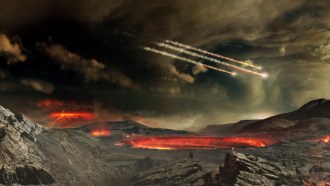
The basic components for life could have emerged together nearly 4 billion years ago on the surface of Earth, chemists report.
- Materials Science
New mirror picky in what it reflects
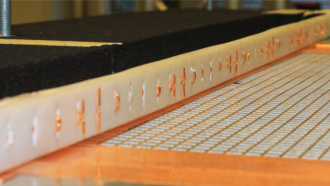
A new type of mirror is selective in the light it reflects. It allows some wavelengths of radiation to pass through, while others bounce off.