All Stories
- Fossils
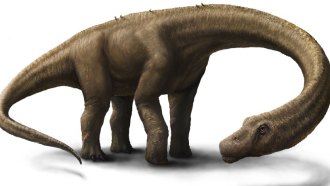
Biggest dino ever?
This plant-eater would have towered over even a T. rex. A truly huge brute, Dreadnoughtus means ‘fear nothing.’
- Health & Medicine
You can be too thin
Eating disorders aren’t about vanity. They are mental illnesses that can prove deadly.
- Health & Medicine
The media’s dangerous influence on body image
A study found how powerful TV and ad messages can be in distorting the attitudes about body image among young girls in Fiji.
-
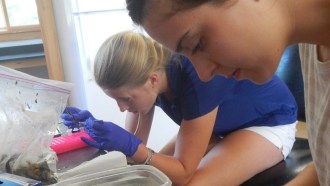
Summer students dig into crab stomachs
The eelgrass in a Maine bay has been dying off. Two teens caught and dissected green crabs to figure out if this invasive species might be responsible.
- Archaeology
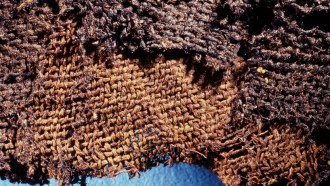
Mummies existed before Egypt’s pyramids
Materials from an ancient Egyptian cemetery suggest people were preserving their dead long before the pyramids and pharaohs.
- Health & Medicine
Watch out: Cell phones can be addictive
Smartphones and Facebook are convenient. New research shows that for some people they also can become dangerously addictive.
- Climate
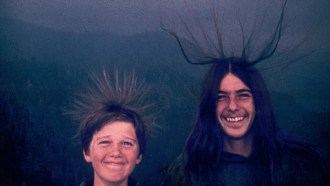
Where will lightning strike?
When lightning strikes, the results can be deadly. But nature’s dazzling light show also can provide scientists with insights into when and where the next thunderbolt might strike.
-
Cookie Science 6: Baking it up
It’s time cookie science hit the ovens. I baked up three different batches of cookies. But I ran into some trouble along the way.
- Earth
Solved: Mystery of the ‘sailing’ rocks
Rocks and boulders periodically move across the Racetrack Playa in Death Valley, leaving tell-tale tracks in their wake. Using advanced technology, scientists have finally solved the mystery of how this happens.
- Health & Medicine
Ebola update: Signs of hope
The deadly outbreak of Ebola in West Africa is the worst the world has ever seen. Scientists are studying the virus that causes it and testing experimental vaccines and treatments to try to save lives.
- Health & Medicine
Early school starts can turn teens into ‘zombies’
Teens face serious consequences when they don’t get enough sleep. Yet most school start times don’t allow a full night’s rest, doctors say. The result: Too many students become ‘walking zombies’.
-
Chemistry gets cheesy
You might think of cheese as something produced far away. In fact, you can make it at home. It just takes a little bit of kitchen chemistry.