All Stories
- Microbes
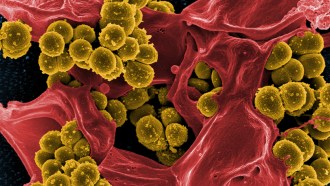
Superbugs: A silent health emergency
Have antibiotics become too popular? Overusing these medicines fuels resistant germs that pose a global health threat.
- Microbes
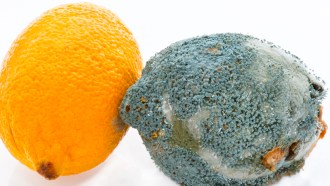
Explainer: Where antibiotics came from
A mold proved the source of the first known antibiotic: penicillin. But chemical dyes would lead to the first antibiotics used in treating people.
- Health & Medicine
Sunlight makes pleasure chemical in the body
A day on the beach might deliver more than a tan (or sunburn). It may also release potent brain chemicals that leave people with a pleasurable feeling.
- Tech
A homemade bungee cord could save kids in hot cars
Babies left in hot cars are in serious danger. A middle-school student invented a simple reminder to help parents keep their children safe.
-
Five teachable Cosmos moments
TV’s new Cosmos series has much to cover in only 13 episodes. Here are five segments whose educational moments stood out.
- Fossils
This dino-bird is super-feathered
This late-Jurassic dino was also a bird. Its ample coat of feathers emerged before any need for flight.
- Archaeology
Neandertal ancestor?
Fossils found in a Spanish cave have features that are a combination of Neandertals and other species. The mix suggests Neandertal roots go back even farther than scientists had suspected.
- Space
What to wear on Mars
NASA released details of the new, more flexible apparel being designed for long-distance travelers — such as those bound for another planet.
- Animals
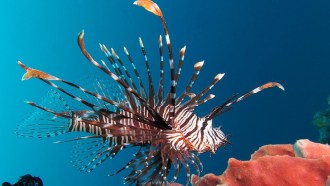
Teen shows salty lionfish are getting fresh
Lauren Arrington kept spotting lionfish in rivers near her Florida home. Her science fair project probed how much fresh water these ocean fish could stand — and led to a published research paper.
- Physics
Very-sub-zero water
Using lasers, scientists measured the temperature of water droplets that remained liquid even when super-cold.
- Animals
Cool Jobs: A whale of a time
Studying blue whales, spinner dolphins and other cetaceans demands clever ways to unveil the out-of-sight behaviors of these marine denizens.
- Animals
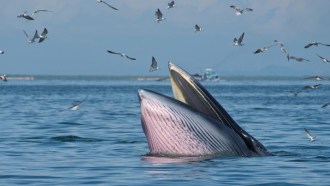
Explainer: What is a whale?
Can a dolphin be a whale — or a whale be a dolphin? Yes, because the terms used to describe the biggest marine mammals are quite elastic and fuzzy.