All Stories
- Microbes
How a germ killer could backfire
A common ingredient in toothpaste and hand sanitizers kills germs on contact. But it also can kill the helpful germs that make water safer.
-
Unearth fossil love as a tar pit volunteer
The tar pits in Los Angeles trapped animals and plants from long ago. Scientists are now recruiting young volunteers to help study their remains.
- Fossils
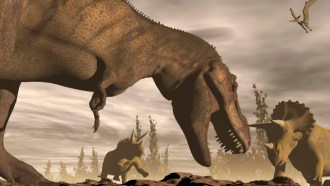
Hot-blooded dinos? Try lukewarm
New study finds these reptiles may have had an internal furnace that sort of resembled some sharks. It appeared to run neither hot nor cold.
-
Become an eco-leader at this summer camp
Want to stop water waste, save energy or improve the environment? Here’s a summer camp that will help teens develop techniques that they can try out in their local high school.
-
An owner’s manual for the adolescent brain
Most books on adolescence talk about the changes you can see. This one focuses on the unseen changes inside a teen’s head.
- Genetics
Owww! The science of pain
No one likes pain, but it keeps us alive. That’s why scientists want to learn how best to coexist with this complicated and still somewhat mysterious sensation.
- Physics
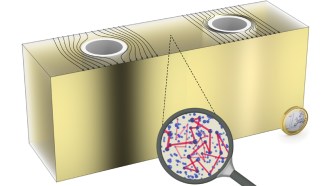
Hazing: How to hide in nearly plain sight
A new system takes advantage of a translucent fog of particles to hide otherwise obvious objects.
- Animals
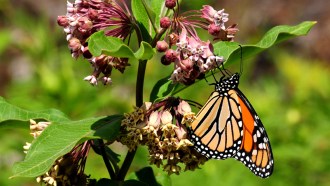
Salted butterflies
The salt used on winter ice can alter the bodies of summer's butterflies. Males develop larger muscles and females get bigger brains.
- Animals
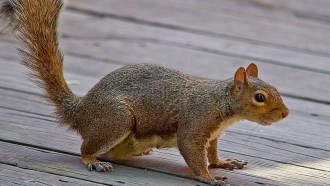
Stalking squirrels for science
A scientist noticed the squirrels in his family’s town, and began studying them. His results show why squirrels are such good city dwellers, and prove that science is right outside your door.
- Brain
Hunger’s little helpers
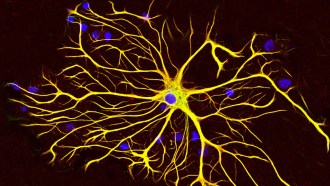
Astrocytes were thought to be nothing more than support cells for neighboring nerve cells. A new study suggests they do much more. These brain cells may help control appetite, too.
-
Kid inventors win big with a sign in the sky
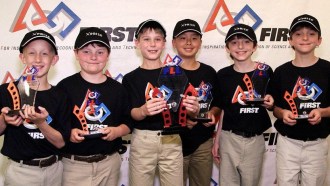
A team of kids designed a high-flying sign to help disaster victims get critical information during a potential blackout.
- Space
Monster collision in space
The smashup of four clusters of galaxies has sent a super-hot jet of charged particles spewing 2.5 million light-years into space!