All Stories
-
Inventors give the White House a Maker-over
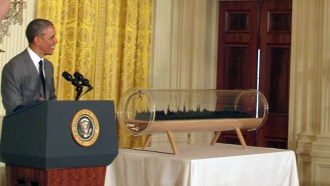
Inventors invaded the White House yesterday for the first ever White House Maker Faire, decorating the lawn with robot giraffes and filling the house with technology and engineering.
-
‘Wannabe scientists’ write about real science
Brexton Pham had trouble finding scientific articles written for teens. He took matters into his own hands and created “Wannabe Scientist.”
- Fossils
Fossil hunting can start as child’s play
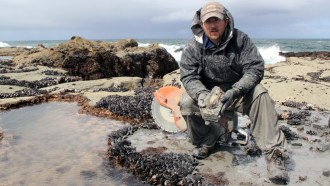
Paleontology isn’t just for professionals. You don’t even need to be a teen to sometimes make startling — and scientifically important — contributions.
- Fossils
Explainer: How a fossil forms
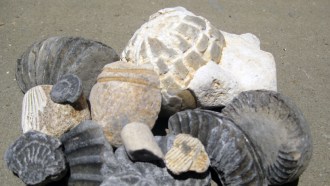
Minerals can replace any bone, shell or once-living tissue and also fill in the spaces between these hard parts, birthing a fossil.
- Environment
Seeing red: North’s CO2 hits new peak
CO2 values are now 50 percent higher than before the Industrial Revolution.
- Planets
First mega-Earth found
Astronomers are puzzled by Kepler-10c. This exoplanet is rocky like Earth — but as massive as Neptune. And that challenges their accepted ideas about how planets form.
- Animals
A library with no books
The Macaulay Library at Cornell University has no books. Instead, the audio library has been accumulating sound recordings since 1929.
- Animals
A library of tweets (and howls and grunts)
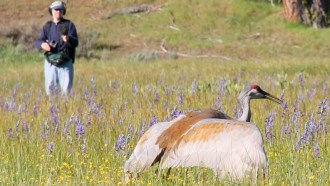
The Macaulay Library houses a world of animal sounds. And now anyone with an Internet connection can check out this audio collection.
-
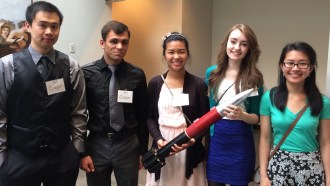
Rocket competition a blast for young scientists
Young rocket scientists competed in Washington, D.C. last month, flying rockets with precious cargo: eggs. The top 10 teams split $60,000 in prizes.
- Environment
Native ‘snot’
The ‘rock snot’ choking rivers may be native algae. Experts blame its sudden and dramatic emergence on changes in Earth’s atmosphere, soils and climate.
- Fossils
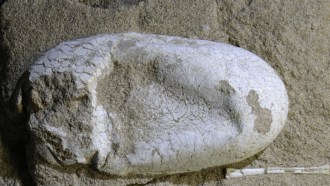
These prehistoric fliers likely nested together
Fossils in nest of newfound pterosaur species suggest these animals were part of a social network — and may even have lived communally.
- Animals
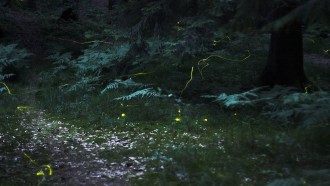
Free app tracks fireflies
Scientists are worried about firefly populations. Now you can use a free app to map firefly flashes, and contribute data to tracking the health of this popular summertime bug.