Uncategorized
- Agriculture
Groundwater pumping is draining rivers and streams worldwide
Excessive groundwater use could push more than half of the regions that depend on water pumped up from underground aquifers past an environmental tipping point by 2050. That could threaten aquatic ecosystems around the world.
- Animals
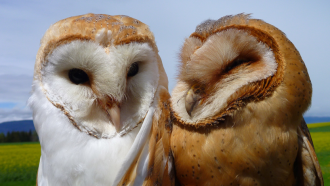
Standing out helps barn owls on the hunt
White barn owls are more successful hunters than red ones — at least when the moon is full.
-
Scientists Say: Hypothesis
A hypothesis is an idea that scientists propose, then study and explore, to explain phenomena in the natural world.
- Earth
Earthworms lose weight in soils polluted with microplastics
Bits of plastic pollution in the ground caused earthworms to lose weight. That could hurt the worms’ ability to make soil healthy, and may explain why plants were stunted.
- Brain
The science of ghosts
One in five Americans say they’ve encountered a ghost. But science has no evidence that ghosts are real. Here are more likely explanations.
- Health & Medicine
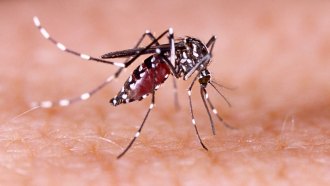
Graphene fabric keeps mosquitoes from biting
Graphene is a super-thin material with many cool uses. The latest: protection against mosquito bites by embedding it in your clothing.
- Genetics
Could disabling one protein cure the common cold?
Cold viruses — and there are many — seem to need this human molecule to spread.
- Fossils
Scientists Say: Paleontology
This is the study of prehistoric life based on fossils of microbes, plants, and animals found in rock.
- Planets
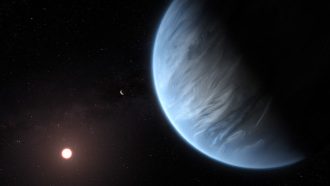
Spotted: An exoplanet where it might rain
A planet outside the solar system appears to have clouds with liquid water.
- Animals
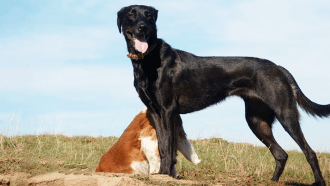
What we can — and can’t — learn from our pets’ DNA
Your dog or cat’s DNA is an open book. DNA tests tell people about their pet’s breed and attempt to predict things about its behavior and health.
- Genetics
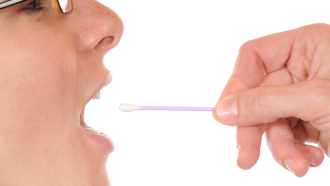
Explainer: How DNA testing works
Lots of companies will now test DNA from people and their pets. How do these gene-sequencing techniques work? We explain.
- Animals
DNA testing looks into dog breeds and cat history
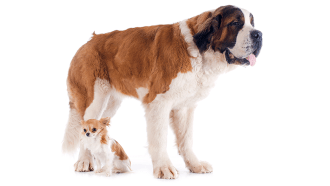
Dog and cat breeds can look very different from one another. How does it happen? Combinations of tiny genetic tweaks.