Uncategorized
- Tech
Scientists Say: Engineering
Want to build a bridge, clean dirty water, make a new drug or build a machine? You’re going to need an engineer — someone who uses science and math to solve practical problems.
- Chemistry
Asteroids may have delivered water to early Earth
Scientists shot mineral pellets at a simulated planet. It showed an impact wouldn’t have boiled off all of an asteroid’s water.
- Animals
‘Boot camp’ teaches rare animals how to go wild
Animals raised in captivity cannot safely re-enter the wilds without first understanding how to find food and avoid becoming a predator’s lunch. Scientists are helping some species learn this.
- Ecosystems
Small swimmers may play huge role in churning the seas
Hoards of migrating shrimp and krill can cause large-scale water movements in the ocean, a new study suggests.
- Earth
Restaurant diners may ingest extra pollutants
People who dine out have higher levels of certain potentially harmful pollutants in their bodies than do people who eat home-cooked meals, new data show.
- Health & Medicine
Scientists Say: Ultrasound
Ultrasound is a word used to describe any sounds higher than a person can hear. It’s also a technique used to see inside the body.
- Health & Medicine
Scientists discover how norovirus hijacks the gut
Noroviruses make people vomit, but scientists didn’t actually know why. It now turns out that those viruses cause their misery by attacking special “tuft” cells in the gut.
- Genetics
Your DNA is an open book — but can’t yet be fully read
There are many companies that offer to read your DNA. But be prepared: They cannot yet fulfill all those promises you read in their ads.
- Science & Society
Websites often don’t disclose who can have your data
Privacy policies don’t reveal much about how websites share a user’s data.
- Science & Society
Science on a shoestring
Scientists in lower-income countries encounter hurdles such as small budgets, lack of equipment and long wait times for supplies.
- Animals
Chemicals from the world’s longest animal can kill cockroaches
The stuff in this sea worm’s slime can kill off green crabs, too.
- Earth
Scientists Say: Runoff
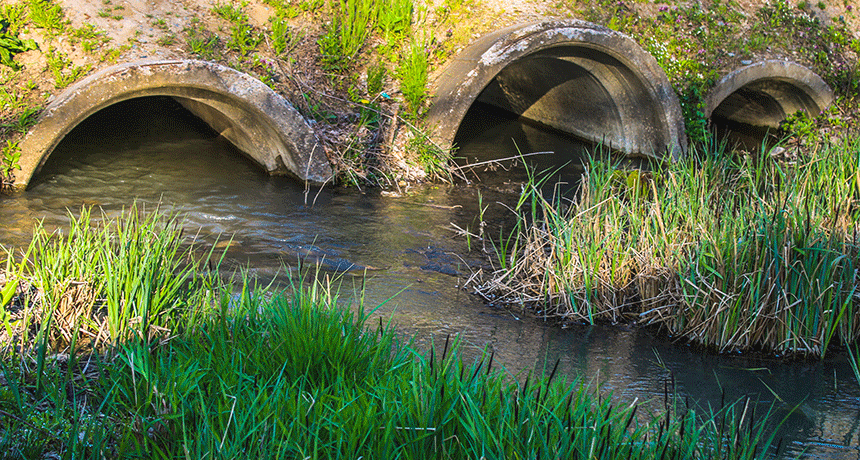
Water that flows through soil and into rivers, lakes and oceans becomes runoff. That runoff can carry part of the land — including its pollution — to the sea.