Uncategorized
- Life
Scientists Say: Biofilm
When times get tough, some microbes like to stick together. They form a mass stuck to a surface, called a biofilm.
- Animals
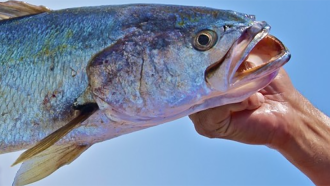
Listening to fish love songs can predict their numbers
Gulf corvinas croak for mates while in groups of millions. By listening to their undersea serenades, scientists may be able to estimate how many are out there.
- Agriculture
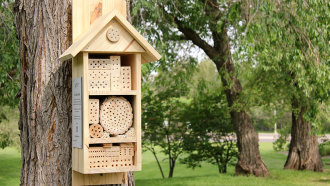
Bee hotels are open for business
Bee hotels are creating a buzz in conservation and research by offering nesting places for wild bees.
- Earth
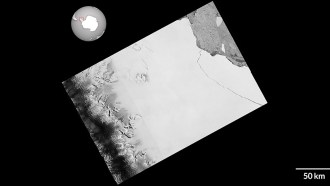
Antarctic ice shelf sheds Delaware-sized iceberg
Larsen C is a major ice shelf in Antarctica. An iceberg the size of Delaware has just splintered off of it in one of the largest calving events ever recorded.
- Planets
Small, distant worlds are either big Earths or little Neptunes
The Kepler space telescope data are in. They split Earth-like exoplanets into two groups and reveal 10 new rocky planets in the ‘Goldilocks’ zone.
- Climate
Hunting the mysterious source of a global illness
Doctors and scientists around the world are scouring the environment for the elusive cause of Kawasaki disease, a harmful childhood illness.
- Animals
DNA tells tale of how cats conquered the world
Ancient DNA study suggests that domesticated cats spread across the ancient world in two waves.
- Chemistry
Scientists Say: Photochromic
Photochromic chemicals change shape when exposed to a specific wavelength of light. The shape change changes the chemical’s color.
- Brain
Adolescents are brain-dense — and that’s good
Gray matter is densely packed in adolescents, brain researchers now find. This may explain how developing adults cope with decreasing gray matter volume.
- Health & Medicine
Therapeutic robots may soon swim within the body
Scientists are designing tiny robots that may one day do work inside the human body.
- Brain
Tongues ‘taste’ water by sensing sour
Water doesn’t taste like much, but our tongues need to detect it somehow. They may do it by sensing acid, a new study shows.
- Animals
Beware the tap of the narwhal’s tusk
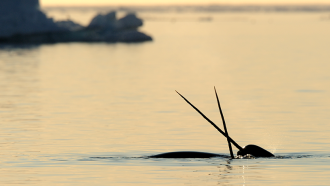
A new video shows narwhals using their tusks to tap fish before eating them. They might be stunning their prey — or just playing with their food.