Uncategorized
- Animals
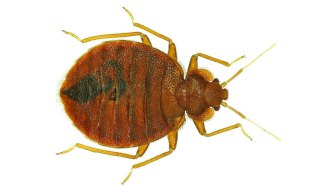
Bed bugs have favorite colors
Bed bugs change their color preferences as they get older. Adults like red and black, which may help the dark bugs avoid predators.
- Tech
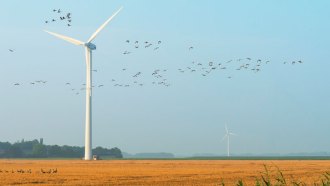
Where did that turbine blade get smacked?
A new technique can help engineers figure out where a bird or other object collided with a wind turbine or other whirling blade.
- Brain
Small region of brain recognizes facial expressions
Scientists identify the brain region responsible for recognizing facial expressions in others. It helps us know whether others are happy or sad.
- Health & Medicine
Control a computer with your tongue
Thousands of severely paralyzed people could venture into cyberspace with the use of this new tongue-controlled computer mouse. It was developed by a teen.
- Animals
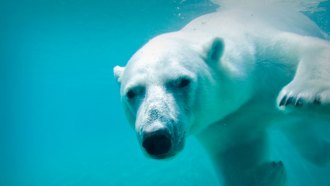
Polar bears swim for days as sea ice retreats
Melting sea ice is forcing polar bears to swim long distances — up to nine days in one case. Such long treks may be more than the bears can handle.
- Physics
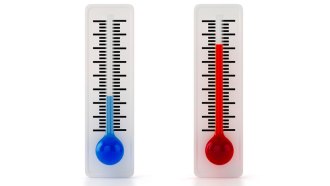
Scientists Say: Absolute zero
Even when we think it’s cold out, most molecules are moving. Only at absolute zero will all of their motions stop.
- Archaeology
Remains of long-ago child sacrifices found in Belize cave
Thousands of bones in Belize’s Midnight Terror Cave show that the Maya had a long tradition of human sacrifices. New data show that many had been children.
- Tech
Teens invent way to keep floodwaters out of subways
Two New York teens have designed an inexpensive subway grate to block floodwaters from getting into subway tunnels.
- Animals
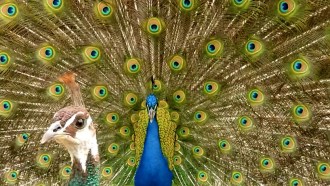
Male peacocks twerk it to bring in the hens
Scientists recorded peacocks with high-speed video cameras to learn the basic mechanics behind the shows they put on for peahens.
- Earth
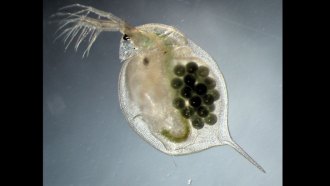
Common water pollutants hurt freshwater organisms
The germ killers we use and the drugs we take don’t just disappear. They can end up in the environment. There they can harm aquatic organisms, three teens showed.
- Earth
Dust creates deserts in the sky
Vast rivers of dust flow through the sky. This invisible force shapes our world in profound ways. And scientists are finally homing in on a major source.
- Animals
Snakes go dark to soak in the sun
Snakes are paler in the South and darker in the North. The darker species absorb heat more quickly, a teen showed.