Cells
- Health & Medicine
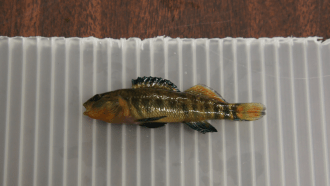
Cleaner water helps male fish again look and act like guys
Water pollution can give male fish female traits — such as the ability to make eggs. And that’s not a good thing. Better water treatment may prevent that, data now show.
- Genetics
Scientists find genes that make some kids’ hair uncombable
Scientists have pinpointed three genes that cause ‘uncombable hair syndrome’ in some kids.
- Brain
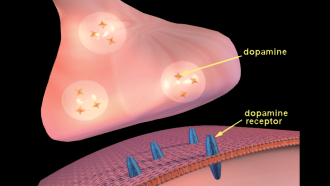
Explainer: What is dopamine?
Dopamine is a chemical messenger that carries signals between brain cells. It also gets blamed for addiction. And a shortage of it gets blamed for symptoms of diseases such as Parkinson’s.
- Brain
Explainer: What is neurotransmission?
When brain cells need to pass messages to one another, they use chemicals called neurotransmitters. This sharing of chemical secrets is known as neurotransmission.
- Health & Medicine
Implant traps cancer cells on the move
A device implanted under the skin extended the life of mice with breast cancer. It trapped injected cancer cells before they created tumors in organs throughout the body.
- Brain
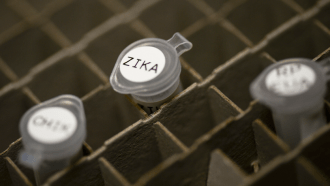
Zika birth defects: Concerns spread from head to toe
Zika infections may trigger problems well beyond babies born with small heads and brains. Scientists have begun linking a range of head-to-toe health ails to the virus.
- Health & Medicine
Vaping may put your smile at risk
As e-cigarette use among teens rises, scientists find that vaping may cause cellular damage to the mouth, gums and teeth. Even the cells’ DNA was affected.
- Life
Scientists Say: Autophagy
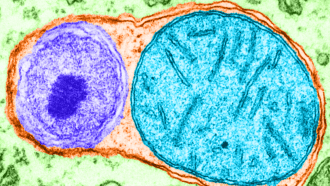
Cells can break down and recycle their parts for later use. This process — called autophagy — won a scientist a Nobel Prize in 2016.
- Health & Medicine
Nobel awarded for unveiling how cells recycle their trash
Cell biologist Yoshinori Ohsumi has won the 2016 Nobel Prize for physiology or medicine for discovering how cells take care of housekeeping.
- Life
Scientists Say: Exocytosis
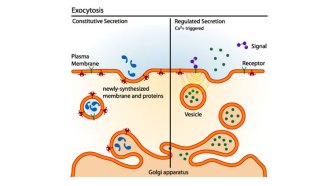
For a cell to remove something large from inside itself, it turns to a process called exocytosis.
- Life
Scientists Say: Endocytosis
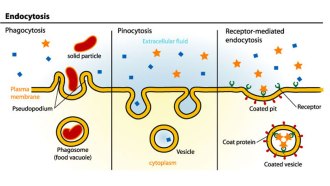
Small molecules can go into a cell through receptors or even just dissolve into it. But something big? That requires endocytosis.
- Life
Scientists Say: Strain
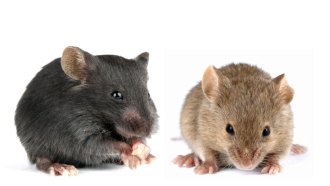
These are organisms that belong to the same species, but have definable differences.