Cells
- Chemistry
Gotcha! New test stalks diseases early
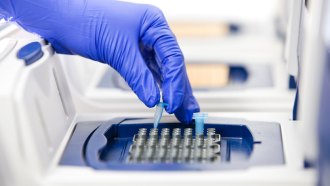
Chemists screen blood for disease markers by adapting a common DNA test. The test can find disease earlier, when it also may be easier to treat.
- Genetics
Fattier yeast live long and prosper
Scientists were hoping to build better biofuels. Instead they discovered that fatter yeast cells live longer than lean ones.
- Brain
Concussed brains need time to heal
Researchers working with mice found that allowing the body to rest after a concussion gave brain cells time to heal and reconnect with each other.
- Life
Cell recount: People host far fewer germs
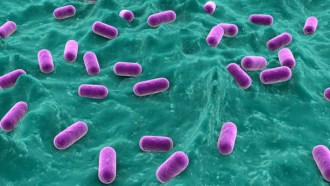
Since the 1970s, microbiologists have been saying bacteria outnumber human cells in our bodies by about 10-to-1. A new analysis says that old number was a “fake” fact — and gross exaggeration.
- Brain
Brain damage seen in potent-marijuana smokers
Brain scans of people smoking potent forms of pot showed abnormalities in white matter. Studies have not yet looked to see if these changes are also linked with changes in memory, risk of depression or other types of harm.
- Genetics
Expert panel approves human gene editing
Scientists have recently been reporting big advances in the ability to tweak the genes of living organisms, including people. But some question the ethics of doing that. A panel of experts now says such research can go ahead — with one major exception.
- Brain
Scientists discover itch-busting cells
A study in mice finds the body has a special way of dealing with an itch that’s caused by a light touch. The results could lead to treatments for chronic itch.
- Chemistry
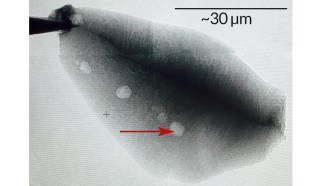
News Brief: Rare gem may hold earliest sign of life
This fossil, such as it is, offers no indication of what that life might have looked like. It merely holds carbon in a form typical of the type preferentially collected by living organisms.
- Brain
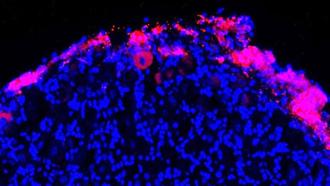
New light on brain science
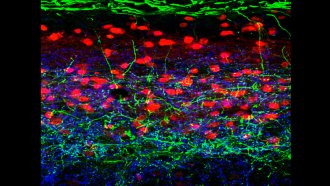
A combination of physics, biology and engineering lets scientists use light to trigger actions by specific brain cells. Called optogenetics, this technology is shining new light on how the brain works.
- Health & Medicine
Pain relief could come from a ‘drugstore’ for cells
Mice with nerve damage can be treated for pain with an injection of cells from bone marrow. Scientists have now figured out why this works.
- Animals
More dinosaur bones yield traces of blood, soft tissue
More dinosaur bones are found to contain residues of blood and soft tissue. The discovery could help point to when dinosaurs turned into warm-blooded creatures.
- Life
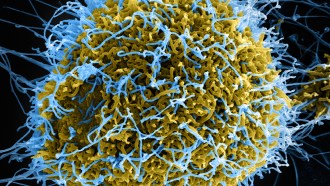
Explainer: What is a virus?
Viruses cause many of the world’s common diseases. These germs reproduce by hijacking the cells of their host.