
All Stories by Alison Pearce Stevens
- Health & Medicine
Social distancing for teens shouldn’t mean giving up your social life
During even partial lockdowns, keeping connected with friends makes all the difference. That’s what athletes and other teen groups are finding.
- Animals
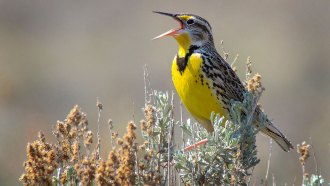
Around the world, birds are in crisis
Human activities around the world are threatening bird species. Numbers of even some of the most common species are starting to fall.
- Animals
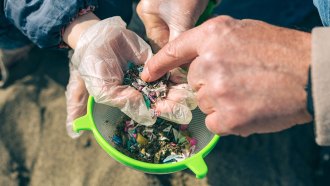
Polluting microplastics harm both animals and ecosystems
Researchers are beginning to uncover the real-world impacts of polluting microplastic bits on animals and the ecosystems they inhabit.
- Climate
The faster trees grow, the younger they die
As climate change spurs forest tree growth, it also shortens trees’ lives. That results in a quicker release of climate-warming carbon back into the atmosphere.
- Ecosystems
Soggy coastal soils? Here’s why ecologists love them
Coastal wetlands can protect our shores from erosion, flooding and rising sea levels.
- Chemistry
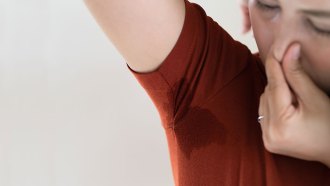
Stinky success: Scientists identify the chemistry of B.O.
They turned up the enzyme in bacteria behind that underarm stench. Understanding how it works could pave the way to new types of deodorant.
- Materials Science
Will bacterial ‘wires’ one day power your phone?
An accidental discovery helps scientists generate electricity out of thin —but humid — air with bacteria-made protein nanowires.
- Animals
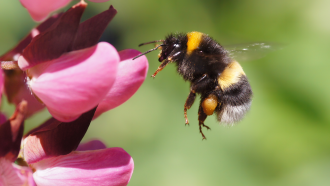
Pesticides can have long-term impact on bumblebee learning
Pesticide-laced nectar and pollen can permanently harm the brains of baby bumblebees.
- Brain
Sleep helps teens cope with discrimination
Good sleep helps teens better deal with racial and ethnic discrimination.
- Health & Medicine
New ultrasound treatment kills off cancer cells
Low-frequency ultrasound destroys cancer cells while leaving most healthy cells intact.
- Animals
Conservation is going to the dogs
Scientists are now training dogs to help track rare, elusive — and sometimes invasive — plants and animals.
- Brain
Zapping the brain may make it work right again
Sending electrical zaps to electrodes implanted deep in the brain can help people with Parkinson’s disease, depression and even obsessive-compulsive disorder.