Questions for ‘The sweet truth about carbohydrates’ 
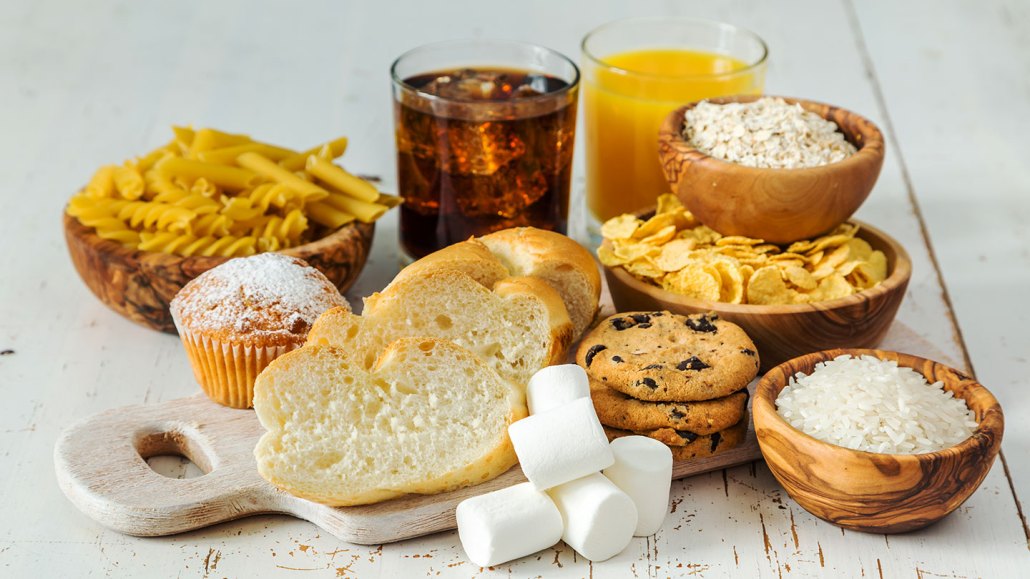
a selection of carbohydrates on a table: sliced bread, pasta, marshmellows, soda and juice, rice, potato chips, chocolate chip cookies and oats

Carbohydrates are found in many foods we eat every day, including breads, pasta, grains and sweets such as soda and candy. Although it’s possible to live without consuming any carbohydrates, these nutrients are an important source of energy for our bodies.

a_namenko/iStock/Getty Images Plus

To accompany The sweet truth about carbohydrates’  

SCIENCE

Before Reading:

  1. Do you perceive “low-carb diets” as generally healthy, generally unhealthy or somewhere in between? Explain your answer.
  2. If you wanted to eat healthier, what changes could you make to your diet? List two. What is a short-term (within a week) benefit you might get from making these changes? What is a likely long-term (within six months) benefit?

During Reading:

  1. Describe major changes made to the U.S. food pyramid in 2026.
  2. List three types of atoms that make up a carbohydrate molecule.
  3. What is the relationship between carbohydrates and saccharides?
  4. List three examples of monosaccharides.
  5. Give one example of a disaccharide. Give one example of a food that you would expect to contain a lot of this specific disaccharide.
  6. Describe one similarity between fiber and starch. Describe one difference.
  7. Identify one part of the body where you are likely to find chyme.
  8. Our bodies do not store glucose in its simplest form. In what form does our body store glucose? Give the name of the molecule.
  9. Describe the relationship between glycogen and phosphofructokinase.
  10.  How does the liver handle an overload of fructose?
  11. Approximately what percent of an Oreo cookie is sugar? Approximately what percent of an Oreo is fructose?
  12. List the two subtypes of fiber.
  13. Give two specific reasons that fiber is important to a healthy diet.

After Reading:

  1. Put the following in order from smallest to largest: monosaccharide, polysaccharide, carbon atom, disaccharide. Put a star next to the two words that are considered “simple sugars.” Underline the word that best describes the structure of glycogen. Circle the word that best describes the structure of fructose.
  2. Review your answers to Question 1 and Question 2 in Before Reading. To what extent would you answer these questions differently after reading this story? If you would give the same answers to these questions, point out information in this story that supports your original answer. If you would answer any part of these questions differently, point out information in this story that helped change your mind.
  3. Imagine a friend tells you they are going on a “low-carb diet.” This friend tells you that they will consume no carbohydrates at all. Instead, they will rely on meat and dairy. This friend says, “Carbs are unhealthy. They turn into fat in your liver, and that gives you diabetes.” Identify one flaw or misconception in your friend’s reasoning. Explain what you might say to your friend to address this misconception. Point to information from this story to support your answer.