Ecosystems: Interactions, Energy, and Dynamics
- Animals
Biowarfare saves bats from killer fungus
Good news for bats. Those infected with white-nose syndrome may be cured by a brief exposure to fumes from therapeutic bacteria.
- Plants
Using plants to solve environmental problems
Problems in their communities suggested good research projects to three teens. Each wanted to tackle a different issue, from pollution to world hunger. To learn more about these issues, they turned to their local ponds, wetlands and gardens.
- Tech
This door handle kills germs
A high-tech door handle may cut down on disease transmission, say its teen developers. The system is powered by simply opening and closing the door.
- Life
Scientists Say: Taphonomy
Studying what happens to plants and animals after they die can teach us about ecosystems and evolution. This study has a special name.
- Animals
The bugs within us
Hordes of bacteria live inside people and other animals. This ‘microbiome’ can affect the development of the blood-brain barrier, food choices — even mating.
- Plants
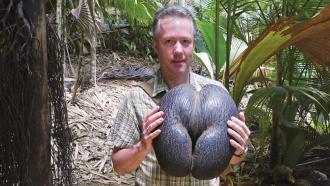
Picture This: The world’s biggest seed
This monster seed develops on a super-slow-growing island palm. Key to that palm’s survival are leaves that funnel fertilized water to nutrient-starved roots.
- Animals
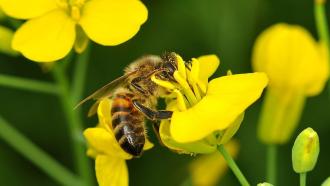
Pesticides offer bees a risky allure
Honeybees and bumblebees sometimes cannot taste or avoid pesticides called neonicotinoids. And that may expose some of these important pollinators to harm.
- Animals
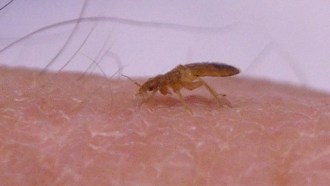
Scientists feed bed bugs (on purpose)
To study bed bugs in the lab, scientists had to first learn how to keep the blood-thirsty critters well fed. And that proved easier said than done.
- Animals
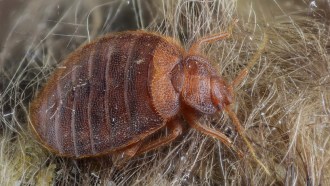
Return of the bed bug
Bed bugs have staged a comeback over the past 15 years. The bloodsucking parasites succeeded through a combination of evolution and luck.
- Animals
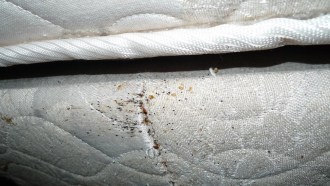
4 reasons not to ignore signs of bed bugs
Here are important reasons not to ignore signs of bed bugs. Above all, an infestation carries real risks to your health and wellbeing.
- Animals
What’s the buzz? A new mosquito lure
Broadcasting a fake buzz can lure male Aedes aegypti mosquitoes away from females. That could reduce populations of these annoying — and disease-causing — insects, reports a teen at the 2015 Intel ISEF competition.
- Health & Medicine
Teen researcher eyes peripheral vision
Our peripheral vision helps us work and play. A student scientist studied how the distance between our eyes affects what we can see on the outer edges of our field of view.