From Molecules to Organisms: Structures and Processes
- Animals
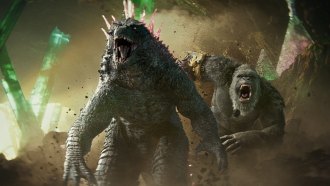
Let’s learn about Godzilla and King Kong
These blockbuster monsters are too big to exist. But if they were real, what adaptations would each bring to battle?
- Science & Society
U.S. lawmakers look for ways to protect kids on social media
The U.S. government wants to protect young social media users from exploitation, bullying and more. The companies should play a role in this, it says.
- Brain
Handwriting may boost brain connections that aid memory
Writing with a pen — but not typing — boosted links between regions used for motion and memory. That may help explain why writing fosters learning.
- Health & Medicine
Health problems persist in Flint 10 years after water poisoning
Flint, Mich., residents still show health impacts long after a switch in their drinking-water source exposed them to toxic lead and other pollutants.
- Health & Medicine
9 things to know about lead’s health risks — and how to curb them
Lead has been linked to lower IQ, behavior problems, mental-health disorders, strokes and more health impacts. There are ways to reduce your exposure.
- Plants
To spy this palm’s blooms and fruits, start digging underground
Plants across 33 families are known for subterranean flowering or fruiting. But this palm is extremely rare. It does both.
- Environment
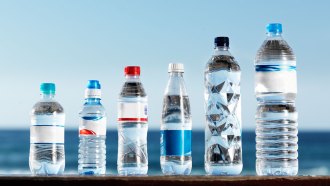
Bottled water hosts many thousands of nano-sized plastic bits
The finding emerges from tests of a new tool that identified smaller-than-ever tiny plastic bits in three brands of bottled water.
- Animals
Here’s why thousands of octopuses gather at the ‘Octopus Garden’
Underwater cameras and other instruments investigated why so many pearl octopuses gather here to mate and nest.
- Science & Society
Scientists Say: Model
Models are representations of real-life systems or processes that we use to ask questions, make predictions and test our knowledge.
- Life
Bacterial fossils exhibit earliest hints of photosynthesis
Microscopic fossils from Australia suggest that some bacteria evolved structures for oxygen-producing photosynthesis by 1.78 billion years ago.
- Animals
Which way is up? Insects may lose track near artificial lights
Flying insects may use light to figure out where the sky is. But artificial lights can send them veering off course, high-speed video suggests.
- Animals
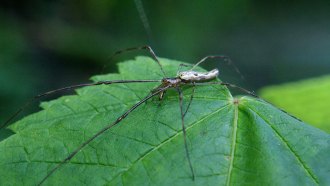
Spiders that fall into water use reflected light to find land
When elongate stilt spiders fall into water, they head for areas that don’t reflect light, studies show. This cue appears to signal dry land.