From Molecules to Organisms: Structures and Processes
- Tech
High-tech solar ‘leaves’ create green fuels from the sun
Chemists make a liquid alternative to fossil fuels from carbon dioxide, water and the sun. Their trick? They use a new type of artificial leaf.
- Tech
Horses are inspiring this roboticist to build trustworthy robots
Computer scientist Eakta Jain is looking at human-horse interactions for ideas about how to design robots that work well with people.
- Oceans
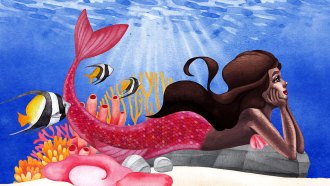
How would a mermaid sound underwater?
Human ears don’t work well in the water. A mermaid would need marine creature features to talk to and understand her aquatic friends.
- Animals
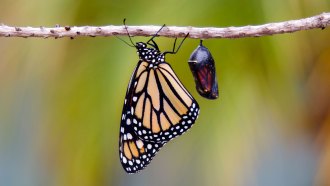
Explainer: What is metamorphosis?
Insects, amphibians and some fish undergo metamorphosis. But they’re not the only ones.
- Animals
Scientists Say: Coral
Over 4,000 species of fish make their home among the reefs created by these colony-dwelling marine animals.
- Humans
Race car drivers usually blink at the same places in each lap
Blinking is usually thought to be somewhat random. But a new study tracking blinks in Formula One drivers shows it can be predictable — and strategic.
- Brain
Neuroscientists use brain scans to decode people’s thoughts
The research may lead to new devices for people who can’t communicate easily. It also raises privacy concerns.
- Environment
Fungi help rescue crops being harmed by microplastics
Microplastics in the soil hinder plant growth. But two finalists at Regeneron ISEF found that fungi and farm waste can reduce the harm.
- Brain
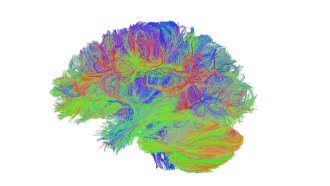
Scientists Say: Connectome
A connectome is a diagram of the cellular highways that carry information in the brain.
- Animals
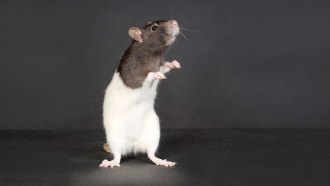
Rats can bop their heads to a musical beat
Rats’ rhythmic response to human music doesn’t mean they like to dance. But it may shed light on how brains evolved to perceive rhythm.
- Brain
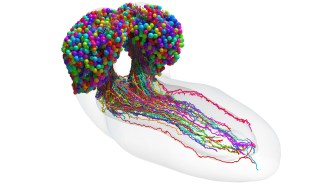
Scientists mapped every nerve cell in this insect brain
Researchers have built a “connectivity map” of all the nerve cells in the larval fruit fly brain and how they link together.
- Brain
Let’s learn about the science of language
The languages we speak may help shape how we see, smell and hear the world around us.