From Molecules to Organisms: Structures and Processes
- Plants
To spy this palm’s blooms and fruits, start digging underground
Plants across 33 families are known for subterranean flowering or fruiting. But this palm is extremely rare. It does both.
- Environment
Bottled water hosts many thousands of nano-sized plastic bits
The finding emerges from tests of a new tool that identified smaller-than-ever tiny plastic bits in three brands of bottled water.
- Animals
Here’s why thousands of octopuses gather at the ‘Octopus Garden’
Underwater cameras and other instruments investigated why so many pearl octopuses gather here to mate and nest.
- Science & Society
Scientists Say: Model
Models are representations of real-life systems or processes that we use to ask questions, make predictions and test our knowledge.
- Life
Bacterial fossils exhibit earliest hints of photosynthesis
Microscopic fossils from Australia suggest that some bacteria evolved structures for oxygen-producing photosynthesis by 1.78 billion years ago.
- Animals
Which way is up? Insects may lose track near artificial lights
Flying insects may use light to figure out where the sky is. But artificial lights can send them veering off course, high-speed video suggests.
- Animals
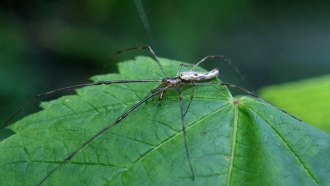
Spiders that fall into water use reflected light to find land
When elongate stilt spiders fall into water, they head for areas that don’t reflect light, studies show. This cue appears to signal dry land.
- Ecosystems
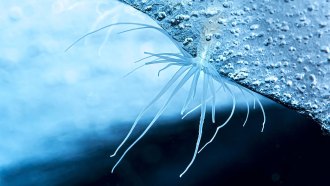
A weird upside-down world lurks beneath Antarctica’s ice
A vast swath of ocean surrounds Antarctica, hidden under the ice. Here, strange creatures burrow into the dark underbelly of a floating glacier.
- Animals
Paw-print DNA lets scientists track out-of-sight polar bears
This environmental DNA can aid in conserving species that are hard or dangerous to observe.
- Life
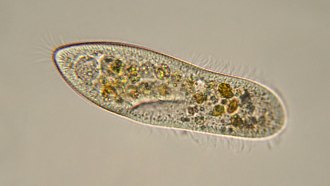
Scientists Say: Protist
Unified by a few key traits, these diverse organisms come in all shapes and sizes.
- Health & Medicine
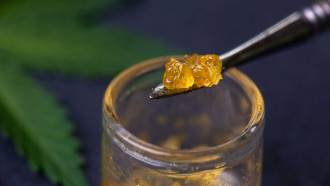
The teen brain is especially vulnerable to the harms of cannabis
Today’s concentrated cannabis products — with higher THC levels — may pose greater risks of addiction and psychosis than ever before.
- Tech
Synthetic biology aims to tackle disease and give cells superpowers
DNA machines and protein-mimicking nanotech could replace broken machinery in cells or even lead to made-from-scratch synthetic life.