From Molecules to Organisms: Structures and Processes
- Animals
Living mysteries: This critter has 38 times more DNA than you do
The genomes of salamanders are bloated with genetic “parasites.” That extra DNA slows down their lives and strands them in perpetual childhood.
- Life
Scientists Say: Fungi
Although some fungi can cause diseases, others can be eaten, used to make medicines or serve other useful functions.
- Animals
How boa constrictors squeeze their prey without strangling themselves
Tracking boas’ ribs in X-ray videos revealed the snakes’ squeezing secrets. It’s the latest Wild Things cartoon from Science News Explores.
- Animals
Ancient ‘ManBearPig’ mammal lived fast — and died young
Developing in the womb for a while — but being born ready to take on the world — may have helped post-dinosaur mammals rise to dominance.
- Chemistry
No sun? No prob! A new process might soon grow plants in the dark
Teamwork makes green-work! Collaborating scientists came up with an electrifying farming trick that could make sunlight optional.
- Chemistry
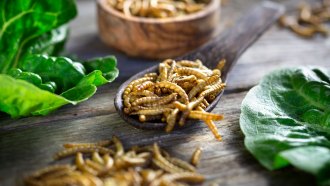
New meat-scented food flavoring comes from sugar — and mealworms
Insects could become a protein-rich part of the human diet. This new research aims to help people get past the ick of eating insects.
- Animals
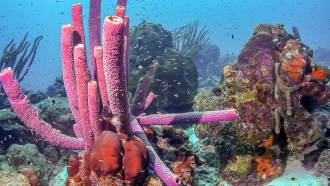
Sea sponges spew slow-motion snot rockets to clear out their pores
Sea sponges rely on a sneezing technique to clear their pores. The mucus flushes out debris — and provides a snack for other marine life.
- Climate
Heat waves appear more life-threatening than scientists once thought
This is bad news as a warming planet leads to growing numbers of excessive heat waves — and millions more people facing potentially deadly temperatures.
- Chemistry
Scientists Say: Pigment
From fruits to fur to fine art, many materials get their colors from compounds called pigments.
- Health & Medicine
Teen arm wrestlers face risk of an unusual elbow break
The pointy part of the inner elbow can break in arm wrestling, especially among teens whose bones are still growing.
- Animals
Why these jumping toadlets get confused mid-flight
The tiny pumpkin toadlet tumbles when it jumps. Its ear canals may be too tiny to help the animal track its motion through the air.
- Tech
This robotic finger is covered in living human skin
The advance brings super realistic cyborgs one small step closer to reality.