From Molecules to Organisms: Structures and Processes
- Environment
Bacterial ‘living wires’ could help protect the seas and climate
Long, thin bacteria that conduct electricity may be able to help clean up oil spills and reduce emissions of methane, a powerful greenhouse gas.
- Earth
Analyze This: Wildfires are pumping more pollution into U.S. skies
Researchers wanted to study the health effects of wildfire smoke. But they realized they didn’t know where it was and how much exposure people had.
- Brain
Scientists Say: Glymphatic System
The glymphatic system bathes the brain in cleansing fluids during sleep and clears away harmful cellular waste.
- Materials Science
Let’s learn about microplastics
Microplastics have turned up everywhere from the highest mountains to the bottom of the ocean — and even inside animals and people.
- Science & Society
What’s the fun in fear? Science explores the appeal of scary movies
On its face, the appeal of horror doesn’t make much sense. But scientists are starting to uncover who’s most likely to enjoy scary films and why.
- Life
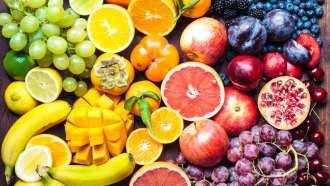
Scientists Say: Fruit
Some foods usually called vegetables — such as tomatoes, cucumbers and peppers — are actually fruits.
- Animals
Sea creatures’ fishy scent protects them from deep-sea high pressures
TMAO’s water-wrangling ability protects a critter’s critical proteins — including muscle — from crushing under deep ocean pressures.
- Animals
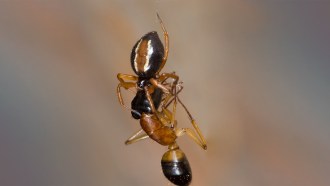
This acrobatic spider flips for its food — literally
An acrobatic hunting trick lets the Australian ant-slayer spider catch prey twice its size, a new study shows.
- Health & Medicine
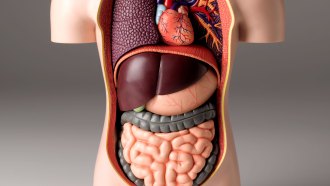
Scientists Say: Liver
This organ in the upper-right side of the belly does many essential jobs, such as cleaning blood and producing bile.
- Health & Medicine
How sunshine may make boys feel hungrier
Males eat more on long summer days, but females do not. Hormones may explain this difference.
- Chemistry
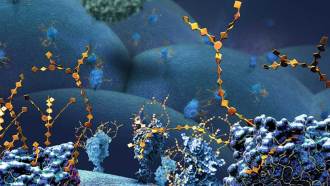
Lego-like way to snap molecules together wins 2022 chemistry Nobel
This so-called ‘click chemistry’ allows scientists to build complex molecules in the lab and in living cells.
- Genetics
Examining Neandertal and Denisovan DNA wins a 2022 Nobel Prize
Svante Pääbo figured out how to examine the genetic material from these hominid ‘cousins’ of modern humans.